Committed to creating high-performance stainless steel composite cookware.

Leave Your Message
Committed to creating high-performance stainless steel composite cookware.
Precision-machined stainless vessels curated for executive chefs, catering commissary hubs, and fast-paced commercial cooklines.

Analyzing thermal physics, HACCP regulatory demands, and high-efficiency induction transformations across professional culinary kitchens.
In high-output commercial dining, quick-service restaurant (QSR) franchises, and industrial hotel catering facilities, the **stainless steel stock pot** functions as the central thermodynamic engine of the hot line. Rather than serving merely as passive liquid containers, commercial stock pots represent complex metallurgical tools tasked with withstanding continuous thermal cycling, aggressive acidic corrosion from tomato reductions and brines, and intense mechanical wear from heavy immersion blenders and automated stirring paddles.
The contemporary commercial kitchen setup is undergoing an aggressive transition toward all-electric and magnetic induction ranges. Driven by international decarbonization initiatives, rising natural gas utilities, and demanding HVAC kitchen ventilation requirements, culinary engineers are replacing single-layer aluminum pots with **multi-clad encapsulated bottom stainless steel stock pots**. Modern setups require pots built with magnetic ferritic base plates (such as AISI 430) impact-bonded to heavy-gauge austenitic bodies (AISI 304 or 316), preventing thermal warping while maximizing magnetic field coupling for near-instantaneous water boil rates.
Tri-ply encapsulated bottoms integrate encapsulated aluminum cores between food-grade stainless layers, delivering 94%+ energy transfer efficiency on commercial induction woks and boiling ranges.
NSF/CE sanitary compliance dictates robotically smoothed weld seams, wide sanitary radius corners (coved bases), and rivetless or flush-welded handles that prevent microbial biofilms and food buildup.
Cast tubular stainless steel handles remain cooler during prolonged simmering cycles, positioned with high center-of-gravity clearance to simplify mechanical lifting and kitchen cart transit.
Understanding how chrome-nickel formulation and impact-bonding prevent scorching, corrosion, and structural failure in commercial restaurant settings.
A primary failure point in budget commercial restaurant equipment is pitting corrosion caused by warm sodium chloride (salt) concentration settling on the base of stock pots before dissolving. Commercial grade AISI 304 (18/8 and 18/10) and molybdenum-fortified AISI 316 alloys provide high passive chromium-oxide protection layers that resist corrosive degradation during extended 24-hour bone broth, demi-glace, and ramen simmer routines.
| Alloy Formulation | Composition (Cr / Ni / Mo) | Thermal Shock & Corrosion Resistance | Primary Restaurant Kitchen Application | Lifecycle Longevity |
|---|---|---|---|---|
| Food-Grade AISI 304 (18/10) | 18% Cr / 10% Ni / 0% Mo | Exceptional resistance against organic food acids, oxidation, and detergents. | General stocks, stocks, boiling poultry, pasta production, batch sauces. | 10 – 15+ Years (Heavy Duty) |
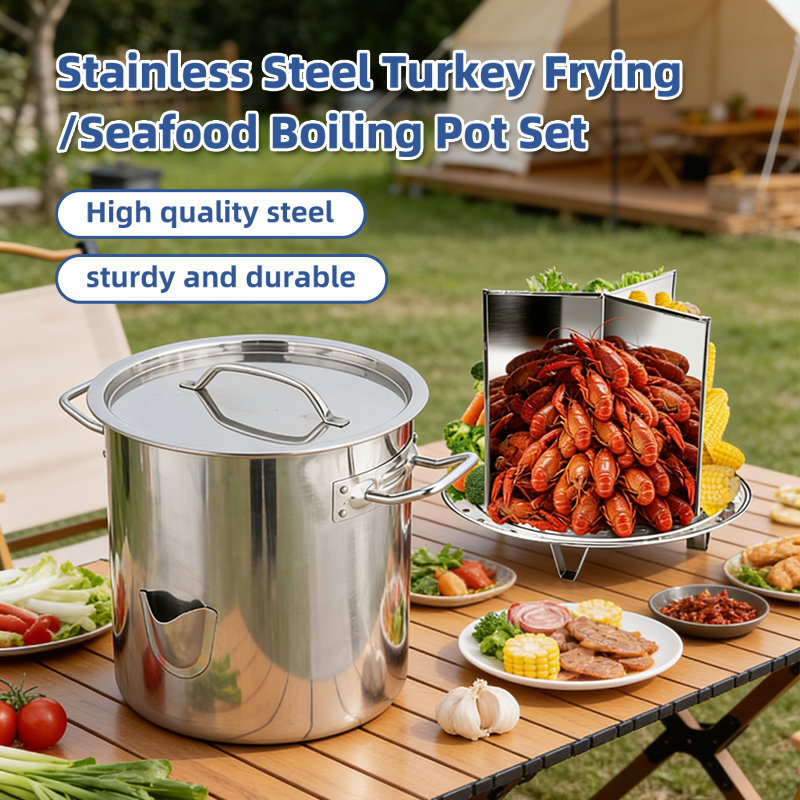
| Marine/Pharma AISI 316 | 16% Cr / 10% Ni / 2.0% Mo | Maximum resistance to pitting in hypersaline brines and high-salt seafood boils. | Seafood processing, brine curation, specialized high-salt sous-vide preparation. | 15 – 20+ Years (Extreme) |
| Economy AISI 201 Series | 14-16% Cr / 1-2% Ni / Low Cu | Moderate; vulnerable to prolonged salty reduction simmering and strong cleansers. | Dry storage vessels, utility transportation cans, low-acid food prep. | 3 – 5 Years (Moderate) |
| Tri-Ply Encapsulated (304+Al+430) | Engineered Sandwich Base | Eliminates hot-spots completely; distributes thermal energy evenly across floor. | Induction cooktops, delicate reductions, velouté, roux, cream soups. | 12 – 15+ Years (Induction Optimized) |
The construction of the base plate represents another defining engineering benchmark. Cheap pots employ simple roll-brazing, which can form internal air bubbles that delaminate over time under high-heat burners. High-caliber manufacturers utilize impact bonding with hydraulic presses exceeding 1,600 to 2,500 metric tons. This process achieves molecular fusion between the pot base, the 4mm-6mm pure aluminum heat-diffusing core, and the exterior induction-ready stainless steel disc, completely banishing thermal hotspots that cause scorched sauces.
How engineered stainless stock pots streamline efficiency across diverse culinary stations in modern hospitality setups.
Long 18-to-36 hour rolling boils require tall cylindrical geometry to limit surface evaporation while sustaining constant convection currents. Stainless stock pots with perforated internal baskets permit rapid bone skimming without disturbing core broth clarity.
Divided section stock pots allow line chefs to simultaneously boil different pasta varieties or ramen noodles at varying starch concentrations without water cross-contamination, accelerating ticket completion times during rush services.
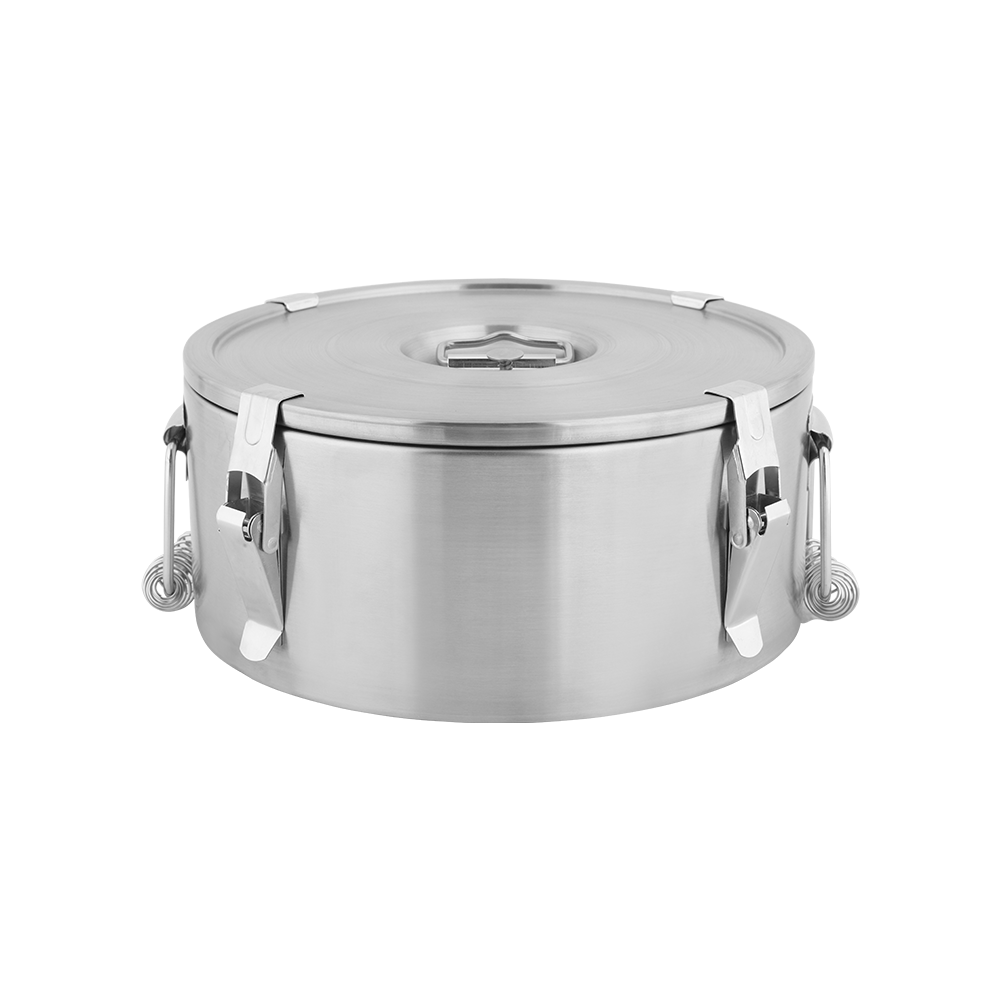
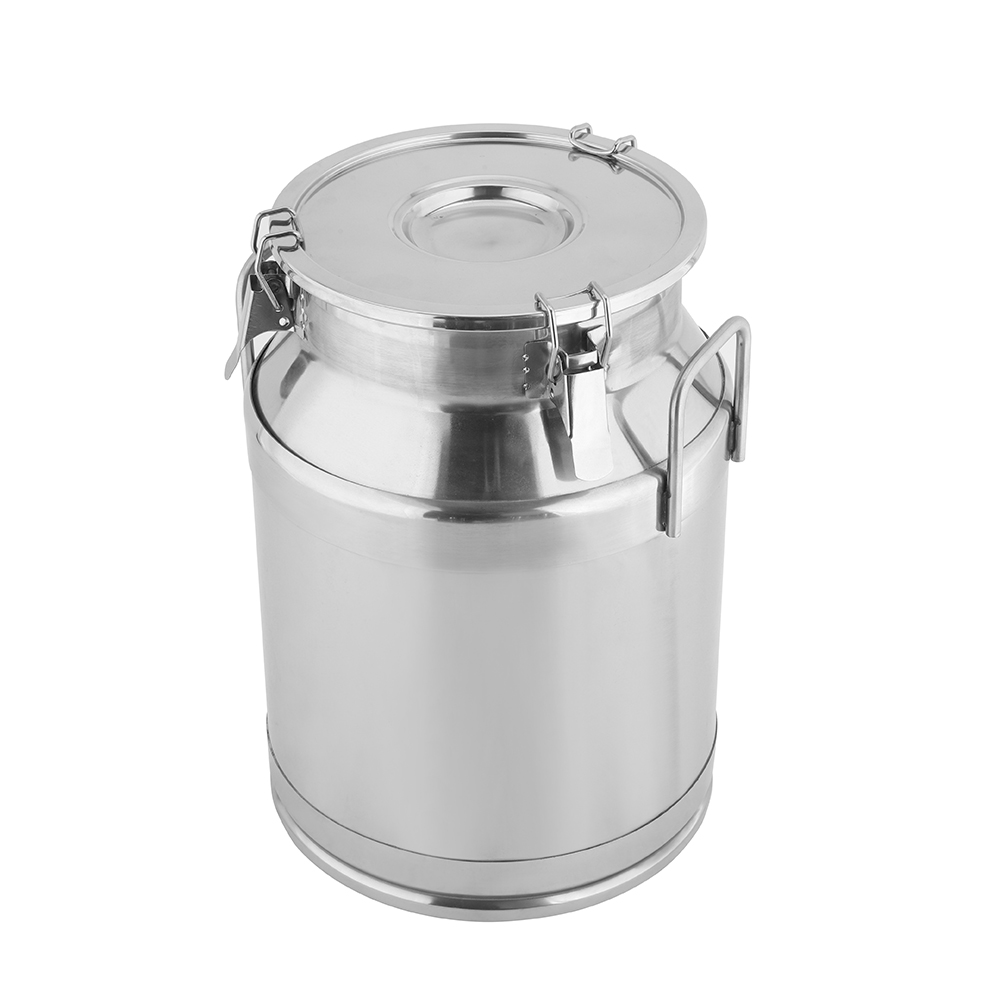
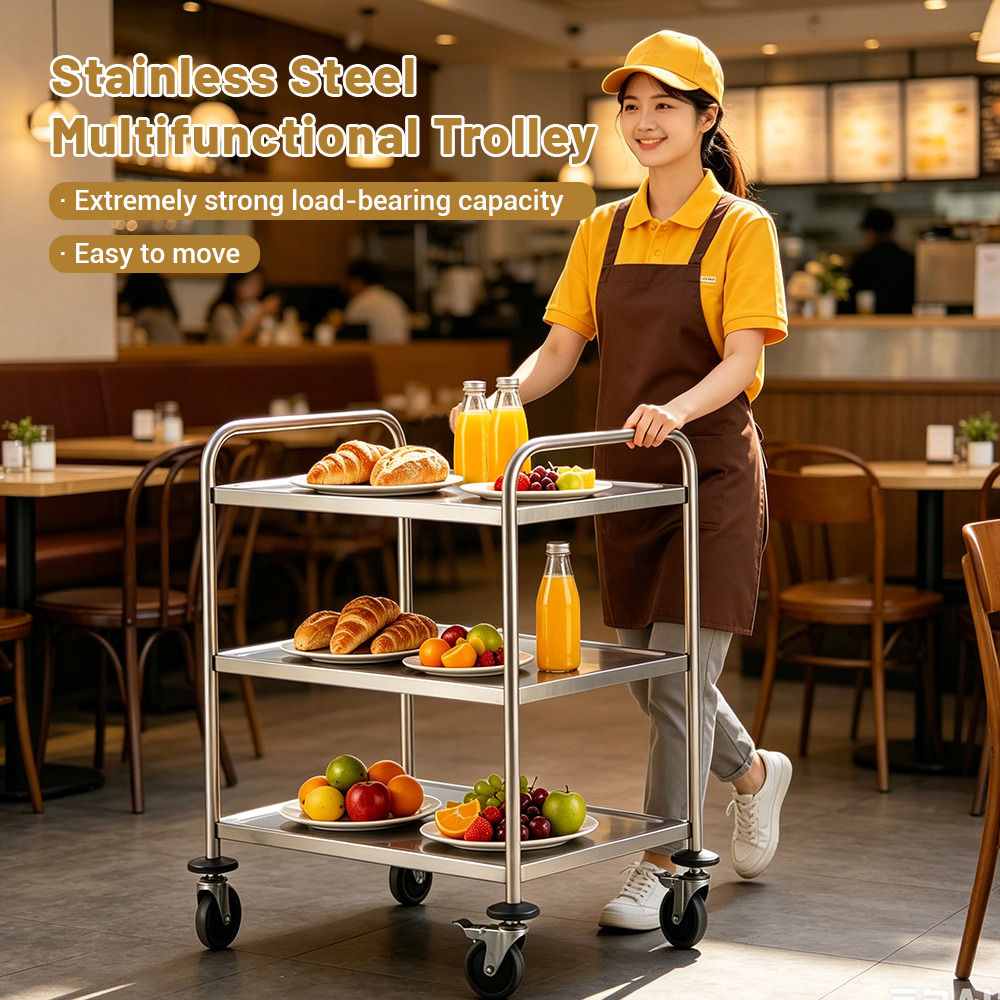
Large-scale catering necessitates seamless transition between simmering and safe logistical transit. Airtight clamp-lid and insulated stainless stock containers protect contents from temperature loss and spillage while loading onto heavy rolling service carts.
Advanced manufacturing techniques and a dedicated R&D team delivering reliable OEM/ODM solutions worldwide.
 01
Over 26 years of experience in meticulous stainless steel craftsmanship and high-volume catering engineering.
 02
Daosheng and its products have obtained certifications such as CNAS, ISO 9001, CE, LFGB, DGCCRF, RoHS, FDA, etc.
 03
Use of state-of-the-art technology and finest raw stainless materials for guaranteed top-notch commercial performance.
 04
Our experienced R&D team works closely with hotel suppliers and brands to design, prototype, and produce unique products.
Jiangmen Pengjiang District Daosheng Stainless Steel Co., Ltd. specializes in the manufacturing of high-quality stainless steel commercial kitchenware and outdoor cooking equipment. With over 26 years of extensive production experience, we have established ourselves as a trusted partner for more than a hundred brands worldwide.
Operating from a sprawling factory complex exceeding 70,000 square meters, our production is streamlined for efficiency and precision. Different product lines are allocated to specialized workshops to satisfy international foodservice standards.


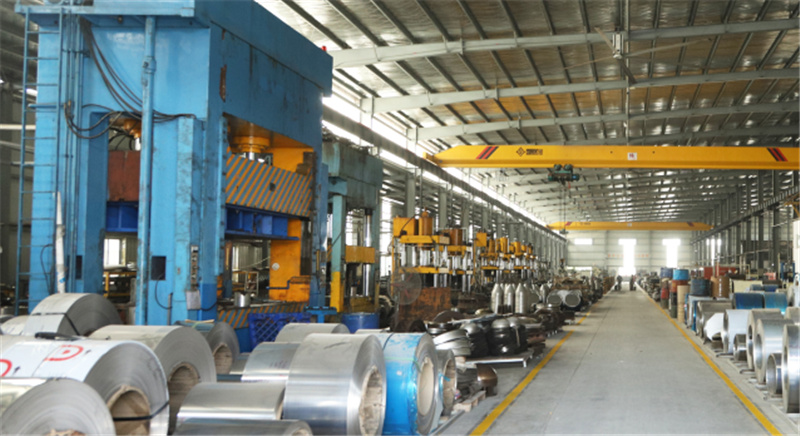
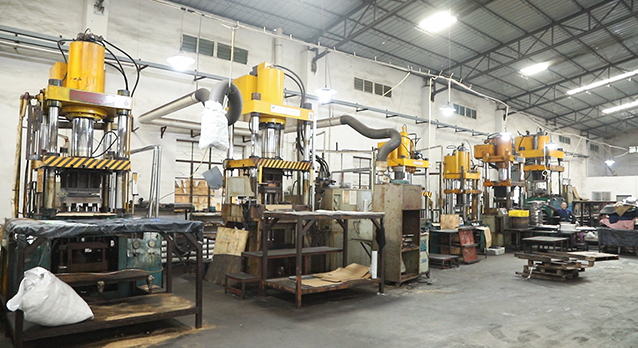
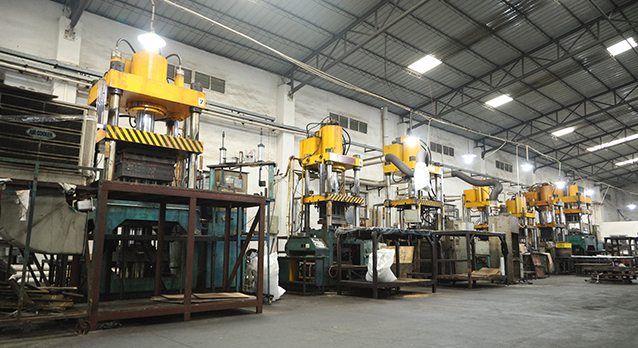
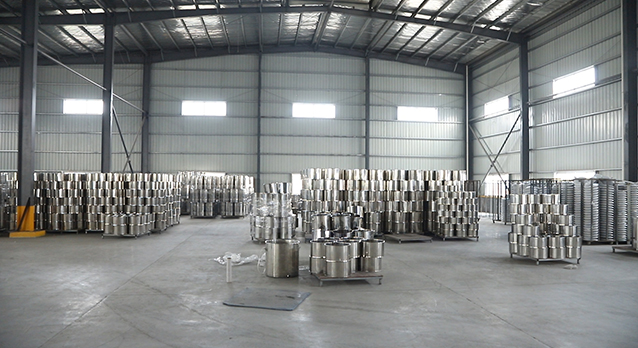
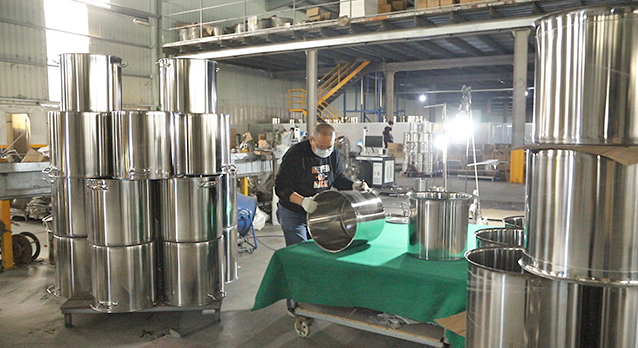
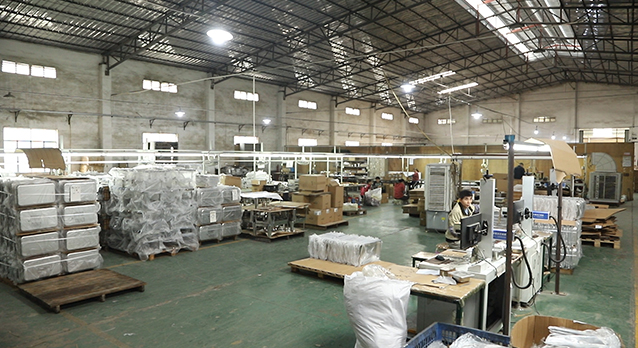


Standardized, clean-floor manufacturing environments equipped with automated deep-drawing, precision welding, and polishing facilities.
Precision hydraulic systems and laser manufacturing ensure every stock pot meets rigorous safety and durability tolerances.


The quality is guaranteed and conforms to international standards including FDA, CE, LFGB, and ISO 9001 quality systems.


Providing one-stop service for kitchenware needs: from initial 3D CAD blueprints to scalable mass production.








Key criteria to evaluate when outfitting new culinary establishments or replacing kitchen inventory.
Always align cookware bottoms with kitchen burners. High-BTU open gas flames accept heavy standard gauge bases, whereas ceramic and induction cooktops necessitate magnetic tri-ply impact-bonded bases to avoid base concavity.
Commercial restaurant setups require a minimum wall gauge of 0.8mm to 1.2mm for smaller capacities (10-20L), and up to 1.5mm to 2.0mm for industrial 50L-150L stock pots to prevent denting from high-volume dish pit handling.
While aluminum pots carry a lower entry price, food-grade austenitic stainless steel eliminates acid-pitting replacement costs, avoids chemical flavor leach, and maintains pristine presentation over a 10+ year operational cycle.
Presenting commercial kitchen hardware innovations at leading hotelware and hospitality expos worldwide.


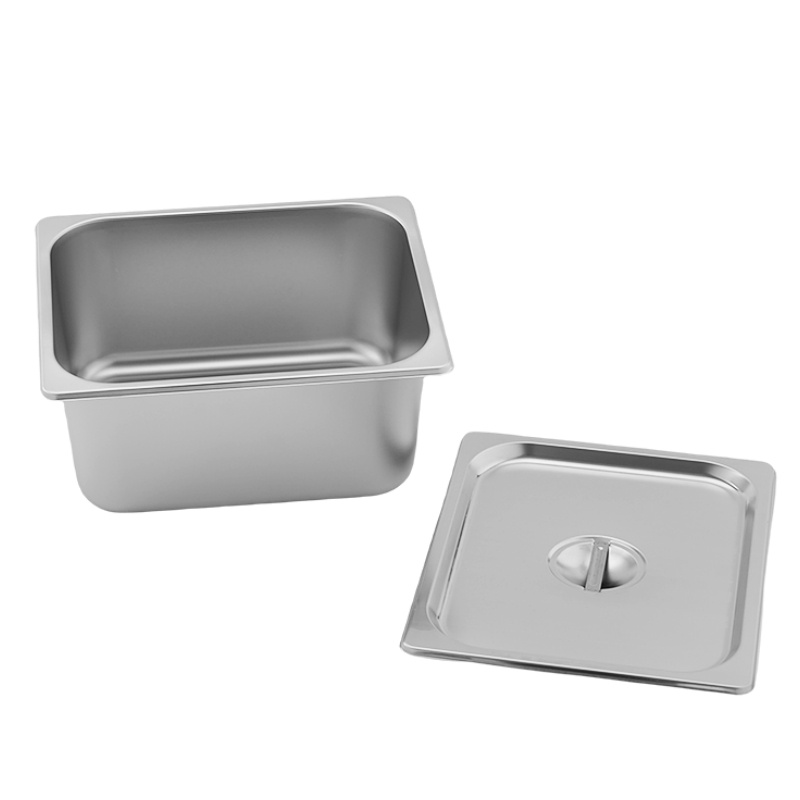
Explore our complete range of certified stainless steel vessels, mobile service trolleys, and prep hardware engineered for commercial catering.