Committed to creating high-performance stainless steel composite cookware.

Leave Your Message
Committed to creating high-performance stainless steel composite cookware.
Directly engineered for fluid processing, dairy batching, and high-capacity culinary storage in industrial kitchen environments.
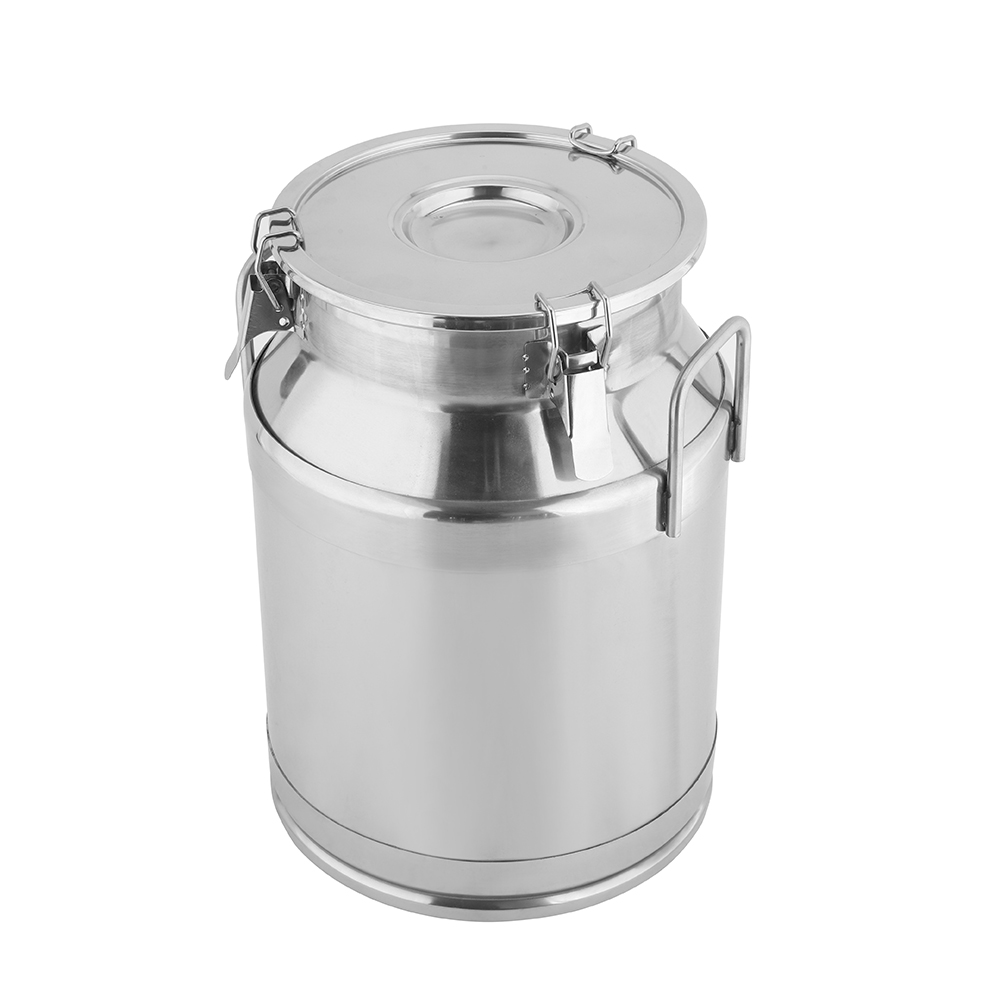
Heavy-gauge food grade 304 stainless steel milk can with silicone hermetic gasket and triple-clasp safety lock for bulk culinary emulsions, broth stocks, and dairy ingredients.
Explore Specifications →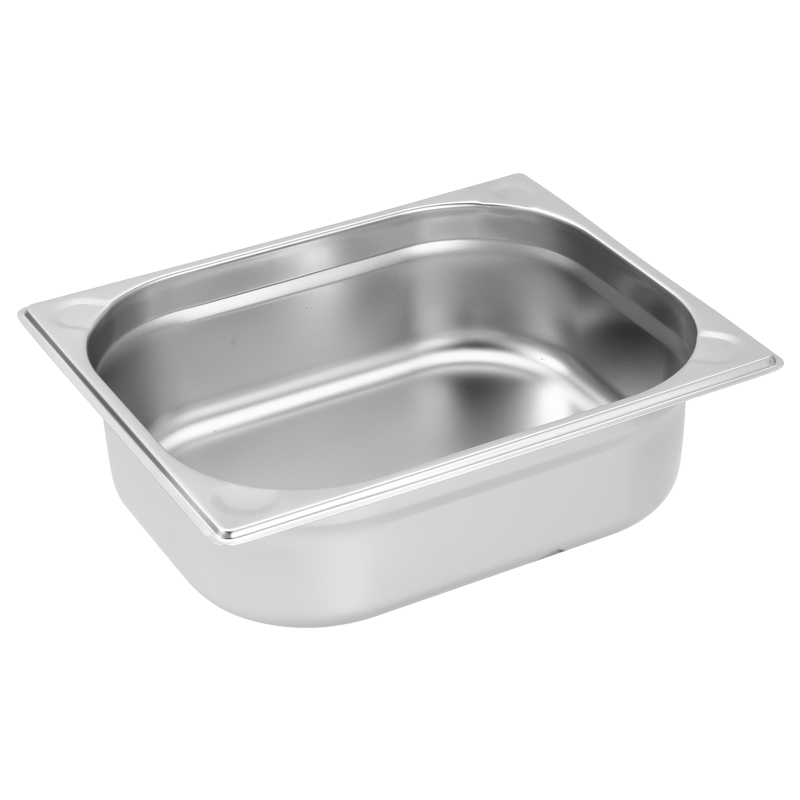
Anti-jam stackable steam table gastronorm tray crafted with rolled reinforced edges, pairing seamlessly with milk cans during large-scale prep line transfers.
Explore Specifications →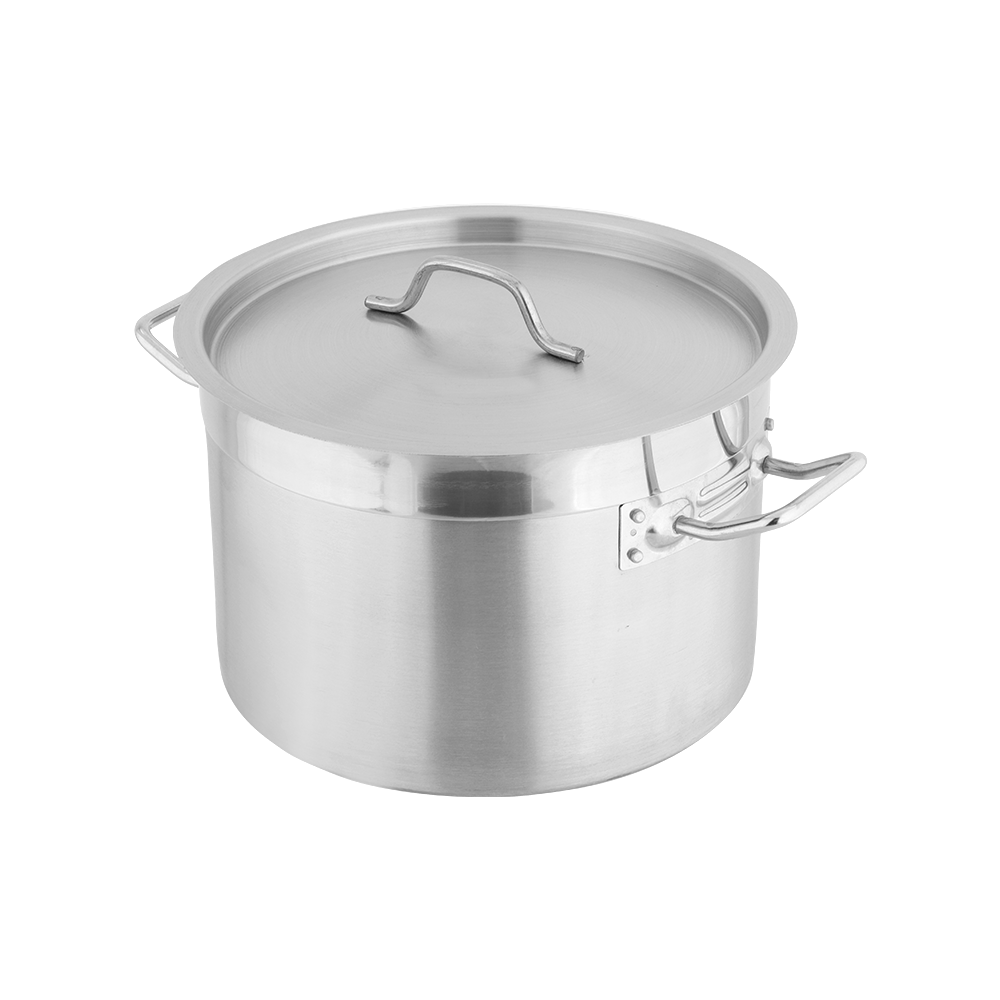
Multi-clad thermal base engineered for uniform heating of milk, dairy reductions, broths, and delicate sauces with zero hot-spot scorching.
Explore Specifications →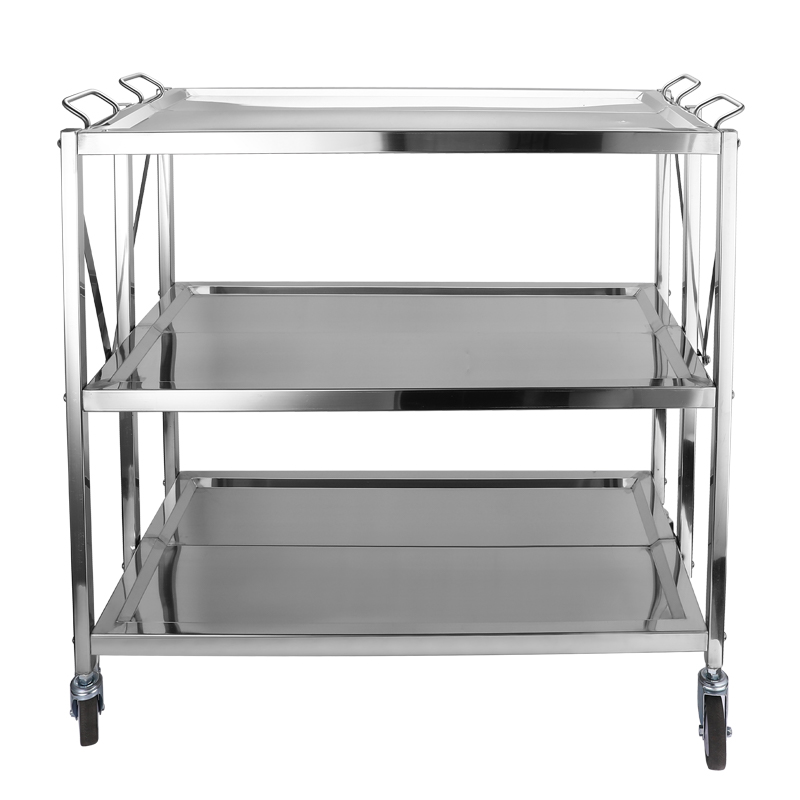
Precision foldable stainless steel service cart with silent shock-absorbing lockable wheels, calibrated to transport weighted milk cans and deep prep containers safely.
Explore Specifications →Unpacking how traditional dairy vessels have transitioned into indispensable, multi-stage culinary prep, fermentation, and batching vessels.
In modern commercial culinary architecture, the humble milk can has undergone an extraordinary metamorphosis. Originally conceived during the late 19th and mid-20th centuries as a functional vessel for collecting raw dairy at farmsteads, the stainless steel milk can for commercial food prep has transformed into an indispensable piece of sanitary hardware across global hospitality, institutional catering, and industrial food manufacturing hubs. Commercial kitchens operate in high-velocity, thermally stressful, and regulation-dense environments where cross-contamination risks and ingredient degradation can precipitate catastrophic financial and health consequences.
Driven by strict HACCP (Hazard Analysis Critical Control Point), FDA Food Code, and European EC 1935/2004 compliance protocols, contemporary culinary operators are systematically replacing porous high-density polyethylene (HDPE) barrels and reactive aluminum pails with austenitic AISI 304 and AISI 316 grade stainless steel milk cans. The structural resilience, chemical inertness, and non-permeable grain boundary characteristics of cold-worked stainless steel make these containers the definitive choice for holding high-value liquids, acidic marinades, raw milk emulsions, broths, and viscous culinary reductions under fluctuating temperature profiles.
Beyond traditional dairy logistics, modern culinary workflows require modular bulk staging vessels capable of bridging the gap between high-temperature cooking appliances and refrigerated storage units. An airtight stainless steel milk can serves as a mobile micro-silo. Whether storing cold brew coffee concentrate at 4°C, resting clarified butter (ghee) under an inert blanket, staging artisanal gelato bases, or transporting brined poultry cuts across commissary lines, these heavy-duty cans maintain sterile containment through heavy silicone gaskets, triple-locking toggles, and seamless interior geometry that eliminates microbiological harborage points.
Interior mirror finish polished to Ra < 0.4 μm inhibits bacterial biofilm formation, listeria colonization, and odor retention, while tolerating harsh CIP caustic washes.
Heavy-duty latching mechanisms compress vulcanized food-contact silicone gaskets to form absolute seals against ambient airborne contaminants and spillage during transit.
Forged with seamless deep-drawn stainless steel bodies, reinforced rim curling, and drop-forged side lifting handles capable of sustaining payload shocks up to 120 kg.
Examining material grade selections, electropolishing protocols, and mechanical tolerances required for commercial food preparation.
In the culinary processing industry, hardware longevity and food security are directly dictated by metallurgical composition. A high-performance stainless steel milk can for commercial food prep utilizes certified food-contact austenitic stainless steel—primarily Grade 304 (18/8 chromium-nickel composition) or medical-grade Grade 316L (containing 2-3% molybdenum). The presence of chromium induces spontaneous passivation, yielding an impervious, microscopically thin chromium oxide (Cr2O3) layer that prevents elemental iron from leaching into foodstuffs, even when exposed to low-pH liquids such as tomato coulis, vinegar-infused marinades, fermented kefir, or lactic acid-dense whey.
Furthermore, internal welding seams represent the primary failure vector in inferior kitchenware. In professional-grade food prep cans, automated continuous orbital TIG (Tungsten Inert Gas) welding is applied with 100% argon back-purging, followed by robotic electropolishing. This process smooths microscopic peaks and valleys across weld joints, eliminating crevices where bacteria, molds, and allergen residues typically shelter against standard CIP (Clean-in-Place) or COP (Clean-out-of-Place) washdown protocols.
| Performance Parameter | Commercial Prep Grade (AISI 304) | Industrial Pharma/Dairy Grade (AISI 316L) | Standard Food-Grade Plastic (HDPE) |
|---|---|---|---|
| Acid & Brine Resistance | Excellent (pH range 3.5 – 11.0) | Superior (pH range 2.0 – 12.5 with chloride resistance) | Moderate (Prone to chemical softening & staining) |
| Thermal Operating Range | -40°C to +320°C (Instant blast freeze to autoclave) | -50°C to +450°C (Cryogenic to ultra-high steam) | -20°C to +75°C (Structural warping above 80°C) |
| Surface Roughness (Ra) | < 0.8 μm (Mechanical Mirror Buffing) | < 0.4 μm (Electro-Chemical Precision Polish) | Porosity expands after microscopic scratching |
| Microbiological Cleanability | Full Sanitization with pressurized steam & caustic wash | Bio-film resistant, compatible with CIP automation | Harbors residual bacteria in scratches over time |
| Expected Service Lifespan | 15 – 25+ Years in high-frequency commercial kitchens | 25 – 35+ Years in corrosive food processing plants | 1 – 3 Years before micro-cracking and replacement |
How central prep commissaries, artisan creameries, hotel banquet lines, and craft beverage houses deploy stainless milk cans to maximize throughput.
Facilitates temperature-controlled transit of fresh curds, cultured cream, and raw milk. The airtight lid design prevents ambient wild yeasts from infiltrating sensitive starter cultures during overnight holding.
Serves as a batching repository for vinaigrettes, marinades, and emulsified condiments. Stainless steel prevents flavor cross-contamination when cycling between garlic marinades and vanilla pastry syrups.
Utilized as secondary maturation and staging tanks for cold-pressed teas, draft cold brew coffee, and kombucha. Airtight seals shield delicate aromatic volatiles from oxidative staling.
Holds pre-scaled liquid eggs, liquid yeast suspensions, and inverted sugar syrups at preparation stations, preventing crust formation, dust ingress, and insect contamination.
Provides deep vertical capacity to submerge whole poultry, pork loins, and brisket in curing brines without the risk of plasticizer migration or chemical leaching associated with synthetic bins.
Enables spill-free long-distance highway transport of piping-hot ramen broths, chowders, and beverage bases from central prep kitchens to off-site wedding venues and disaster relief camps.
Emerging trends influencing the design and deployment of stainless storage vessels across tomorrow's smart kitchens.
The global commercial food prep equipment sector is witnessing a decisive shift toward sustainability and intelligent workflow integration. As commercial kitchens worldwide commit to ESG (Environmental, Social, and Governance) targets, eliminating single-use plastic pails and liners has emerged as an operational imperative. A single high-grade stainless steel milk can eliminates the consumption of hundreds of single-use petroleum-based containers over its lifecycle, substantially shrinking a restaurant or industrial catering facility's carbon footprint while delivering undeniable return on investment (ROI).
Concurrently, the integration of Industry 4.0 and kitchen automation has introduced smart tagging directly onto stainless steel vessel bodies. High-volume central kitchens and ghost kitchen networks are affixing laser-etched 2D Data Matrix codes and RFID UHF tags to their stainless steel milk cans. This enables automated batch tracking, precise HACCP temperature monitoring, real-time shelf-life countdowns, and streamlined inventory flow through computerized commissary management platforms. Furthermore, modern milk cans are increasingly designed with standardized dimensions that interface directly with automatic drum tippers, commercial pneumatic liquid dispensers, and automated robotic wash tunnels.
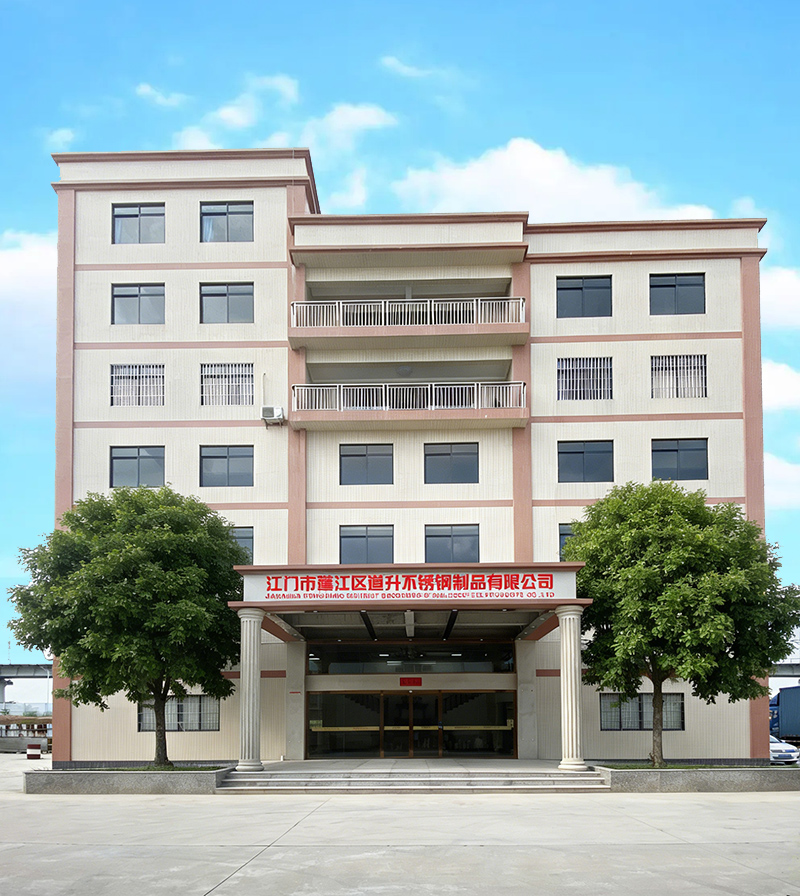


Jiangmen Pengjiang District Daosheng Stainless Steel Products Co., Ltd. is a professional manufacturer specializing in the design, research and development, and production of commercial kitchen cookware. Headquartered in Guangzhou, China, the factory covers an area of 30,000 square meters.
Since 1993, Daosheng has focused on the research and development and manufacturing of stainless steel commercial cookware, with over thirty years of experience. As a family business, we are rooted in our founder's profound knowledge of stainless steel materials and passion for cookware manufacturing, and are committed to creating high-performance stainless steel composite cookware.
For over thirty years, we have remained focused on the field of stainless steel cookware, continuously refining our processes and striving for excellence, accumulating rich manufacturing experience and professional strength. With stable product quality and excellent service capabilities, Daosheng's products are widely used in various industries and organizations, including healthcare, kitchen automation, public health services, and international charitable projects (such as UNICEF).
Combining three decades of artisanal metallurgical expertise with cutting-edge automated infrastructure.

Continuously focusing on stainless steel commercial kitchen equipment, we possess rich manufacturing experience and industry insights.

Owning our factory eliminates rent, allowing us to provide customers with more cost-effective customized solutions.

Equipped with automated production lines and high-efficiency equipment, we continuously optimize production capacity and delivery capabilities.

Covering multiple industry applications such as healthcare, public services, and kitchen automation, meeting the needs of various business scenarios.
Explore our complete manufacturing spectrum designed to complement milk cans in multi-phase commercial food preparation lines.

Concave or convex optional polish-finished frying pan engineered for high-heat commercial cookouts and rapid food preparation.
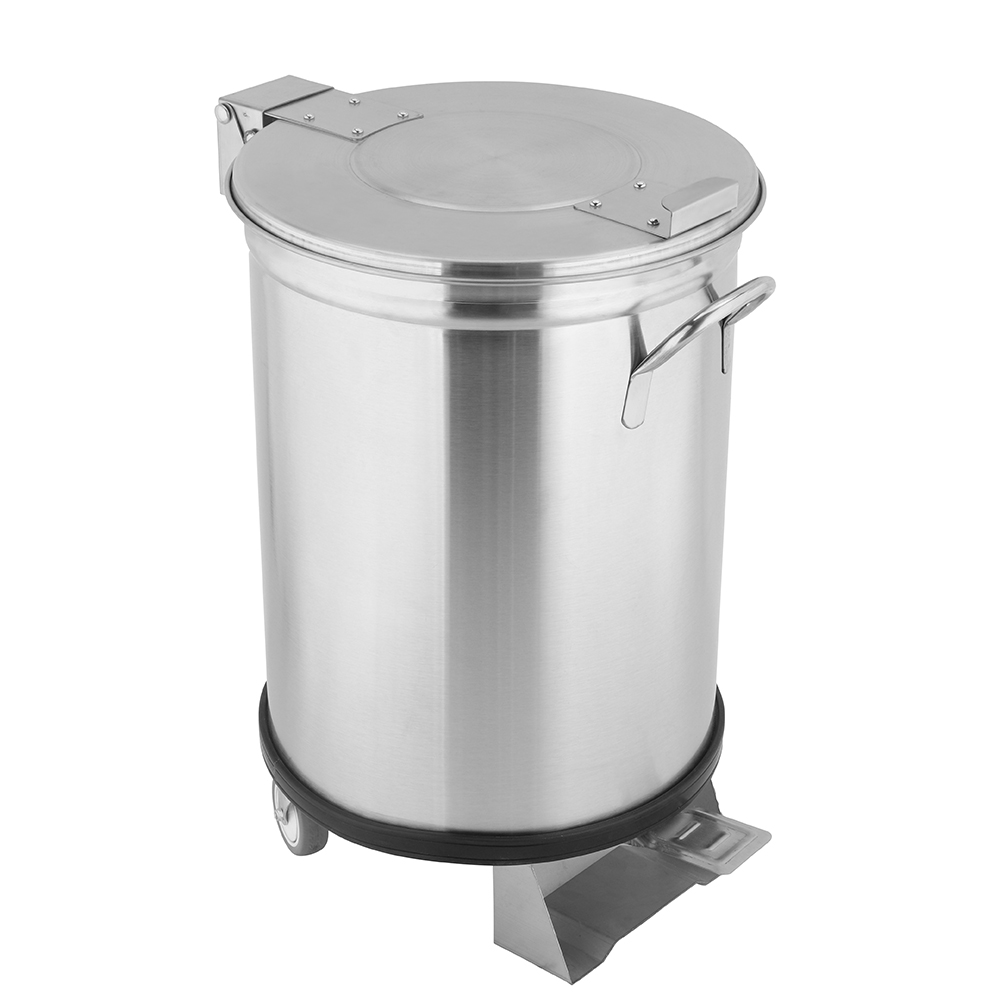
50L/100L high-capacity hands-free sanitary pedal-operated metal unit ensuring absolute cleanroom conditions during food staging.
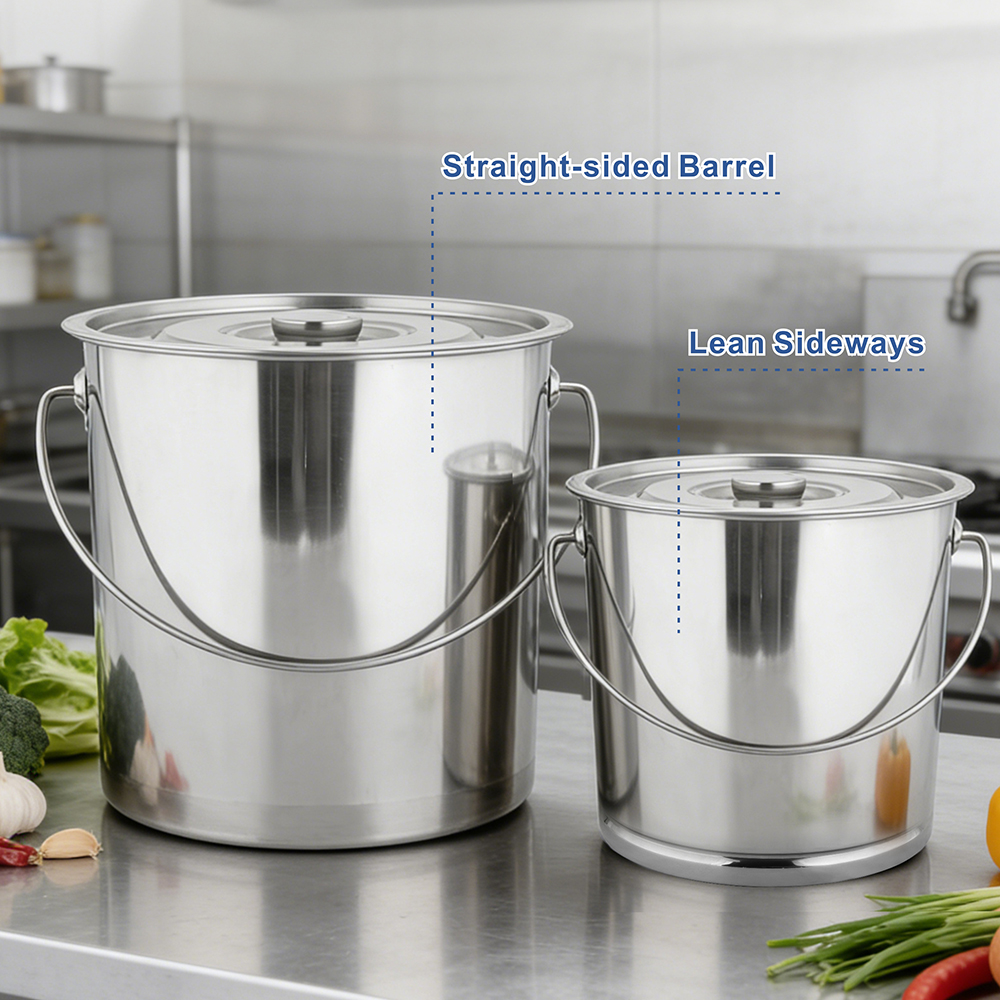
Multi-purpose heavy-gauge metal pail with reinforced bail handle for quick fluid transport and culinary liquid metering.
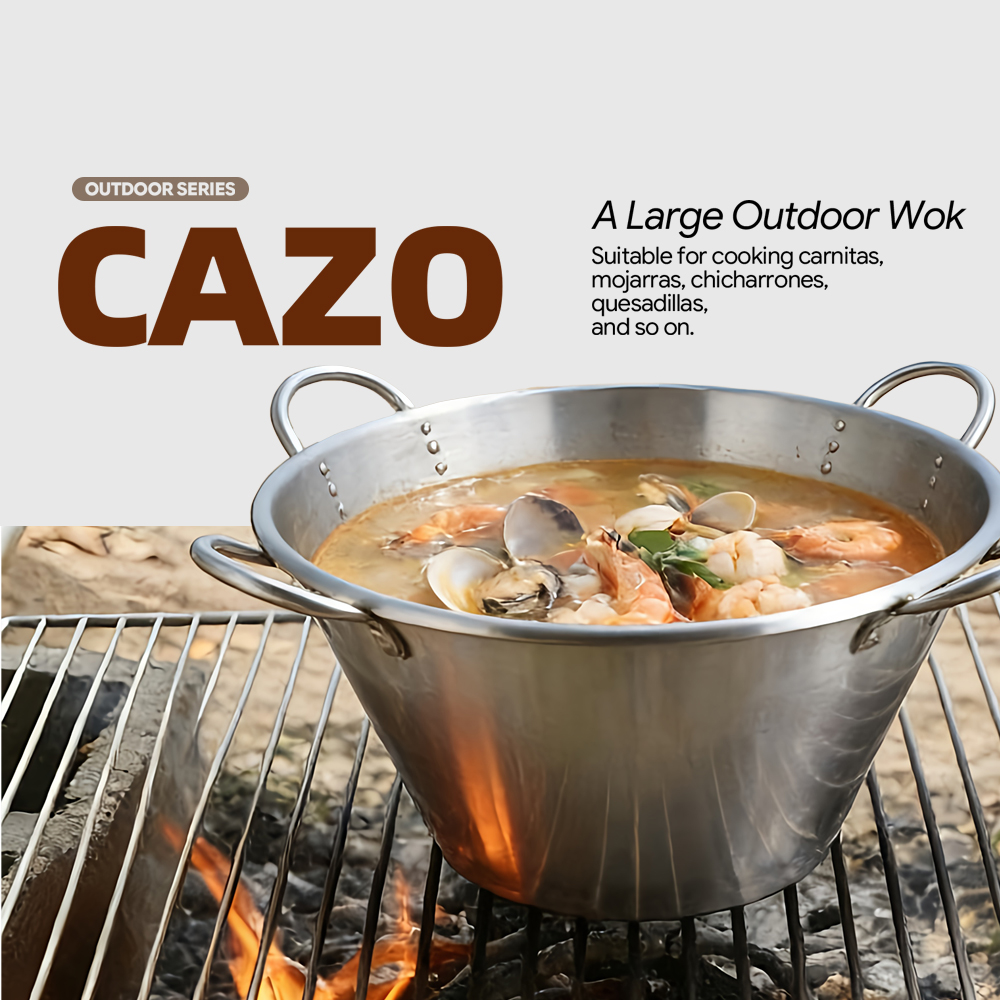
Heavy-duty deep-basin carnitas and frying pan designed to work in synergy with bulk milk cans on commercial production floors.
Industry-standard guidelines to preserve passive chromium oxide layers and sustain absolute food contact safety.
To guarantee that a stainless steel milk can for commercial food prep delivers decades of service without loss of passivation or microbial contamination, commercial kitchen sanitation crews must implement standardized cleaning operating procedures (SOP). Stainless steel does not tarnish under normal circumstances, but contact with concentrated chlorides, harsh bleach, or ferrous scouring tools can pit the protective passive oxide boundary.
Phase 1: Pre-Rinse & Organic Soil Evacuation. Immediately following batch evacuation, containers should be pre-flushed with lukewarm water (40°C to 45°C). Water exceeding 55°C should be avoided during initial rinses to prevent protein denaturation and thermal baking of whey or egg albumen onto vessel walls.
Phase 2: Alkaline Washdown. Wash with a 1.0% to 1.5% sodium hydroxide or chlorinated alkaline detergent solution at 65°C to 70°C using non-abrasive polymer pads or automated spray rotary balls. This saponifies animal fats and removes adhering dairy grease.
Phase 3: Acid Neutralization & Passivation. Periodically wash containers with a mild phosphoric or nitric acid solution (0.5% concentration at ambient temperature) to dissolve mineral scale (milkstone) and re-passivate the chromium film, restoring high-sheen corrosion resistance.
Phase 4: Sanitization & Gasket Care. Sanitize with hot water at 85°C for 15 minutes or apply food-grade peracetic acid (PAA). Removable silicone sealing gaskets must be detached weekly, soaked in warm neutral detergent, inspected for micro-tears, and thoroughly dried prior to storage.
Explore our certified heavy-duty stainless steel product collection for commercial restaurants, banquets, and institutional culinary facilities.
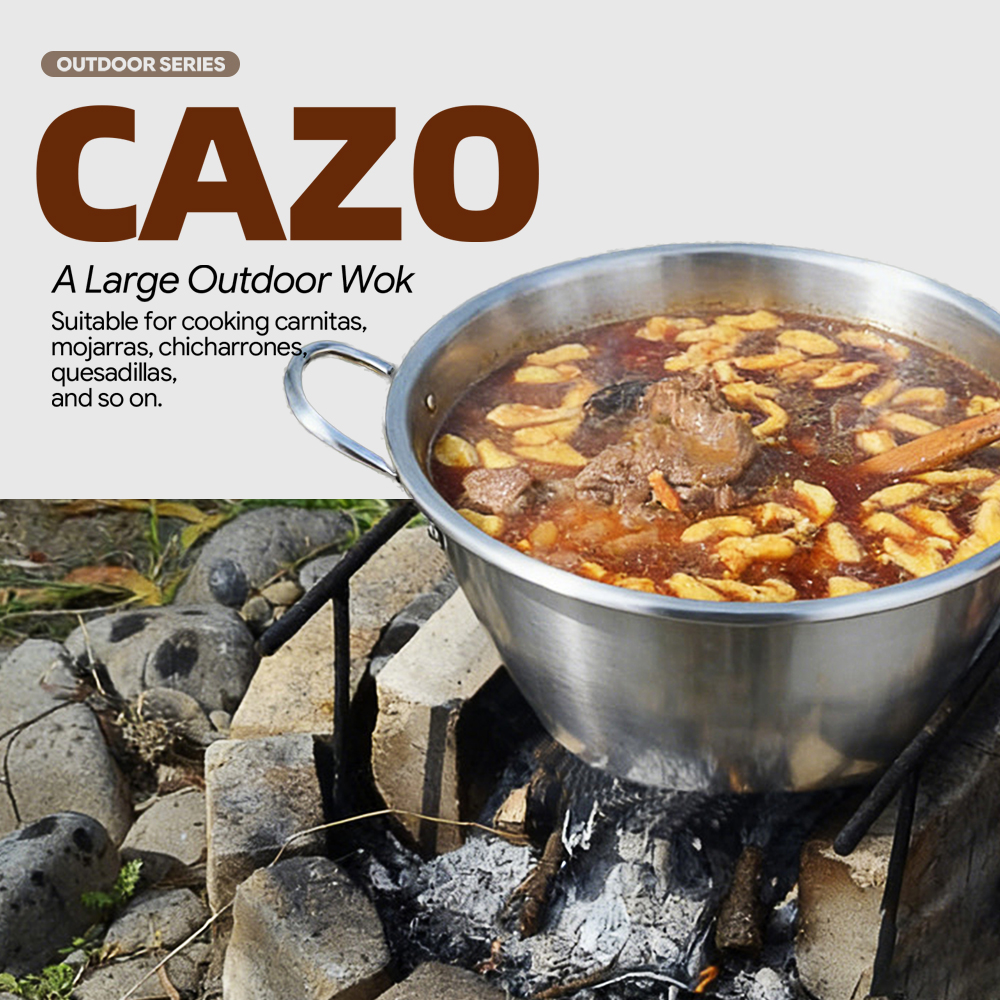
Double-eared heavy-gauge deep-bottomed stainless steel wok built for commercial kitchen frying, batch stir-cooking, and rapid thermal food preparation.
View Details →
Collapsible commercial catering storage cart equipped with lockable silent swivel casters for reliable transit of milk cans and food prep containers.
View Details →
Versatile precision-perforated colander designed for rinsing raw produce, draining pasta, separating curds, and filtering culinary sauces effortlessly.
View Details →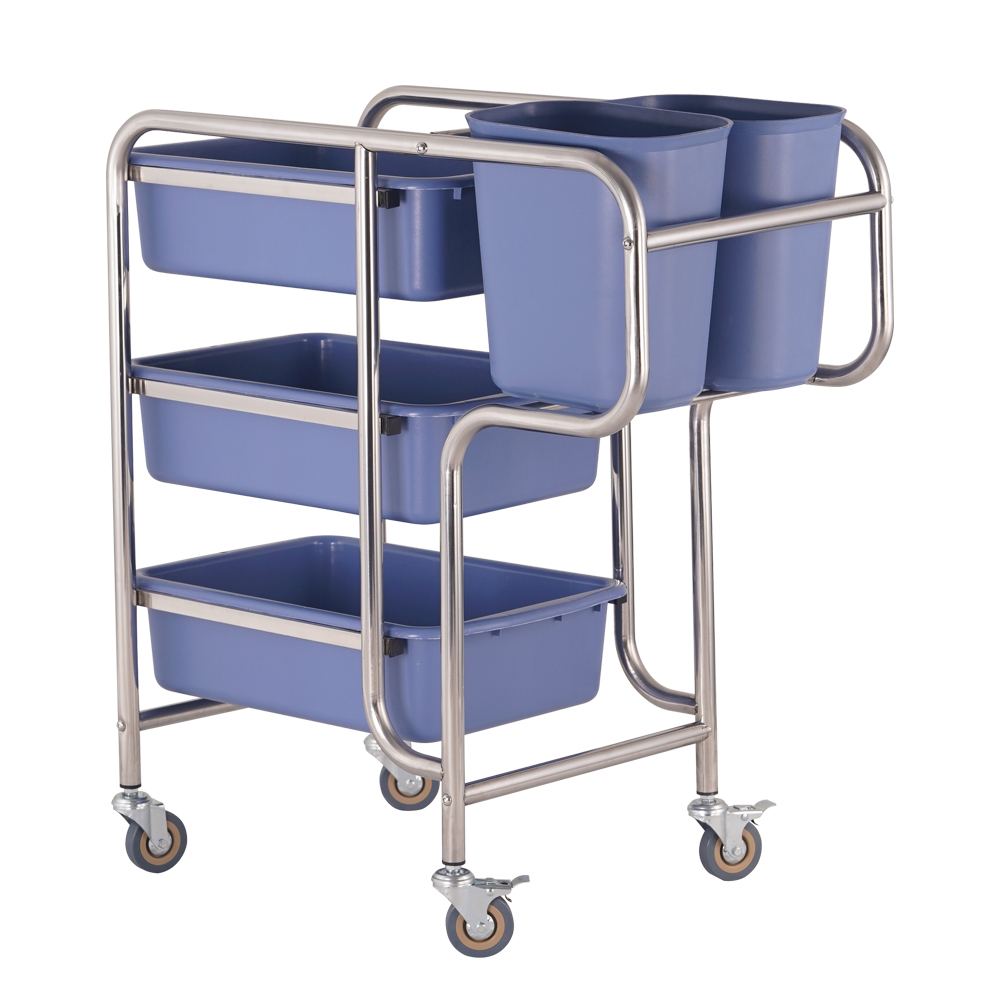
Heavy structural frame restaurant bussing cart featuring 5 removable bins designed for organized prep waste management and hygiene maintenance.
View Details →
Commercial steam table gastronorm pan manufactured with anti-jam shoulders and electrolytic polish, optimal for hot or cold buffet food prep staging.
View Details →
Industrial-gauge culinary stock pot with encapsulated induction base for efficient simmering of broths, reductions, and milk-based culinary preparations.
View Details →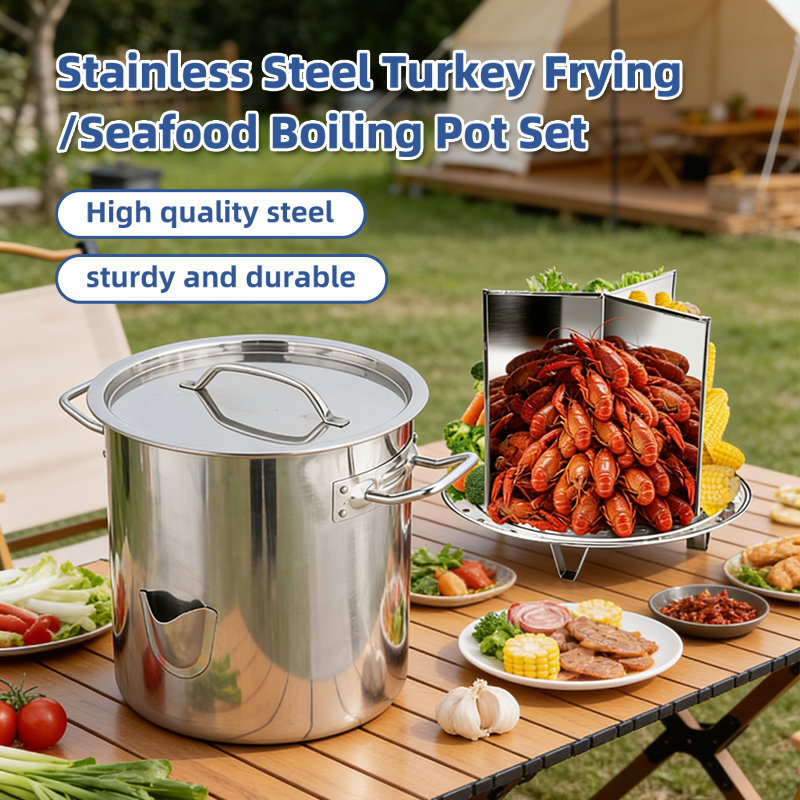
Specialized multi-chamber stock bucket equipped with divider inserts for parallel boiling of noodles, dumplings, and broth stocks in rapid prep kitchens.
View Details →
Heavy-duty deep frying and seafood boiling kit featuring precision-perforated strainer basket and reinforced handles for high-volume event catering.
View Details →Key technical and procurement answers regarding stainless steel milk cans for commercial culinary and food preparation operations.