Committed to creating high-performance stainless steel composite cookware.

Leave Your Message
Committed to creating high-performance stainless steel composite cookware.
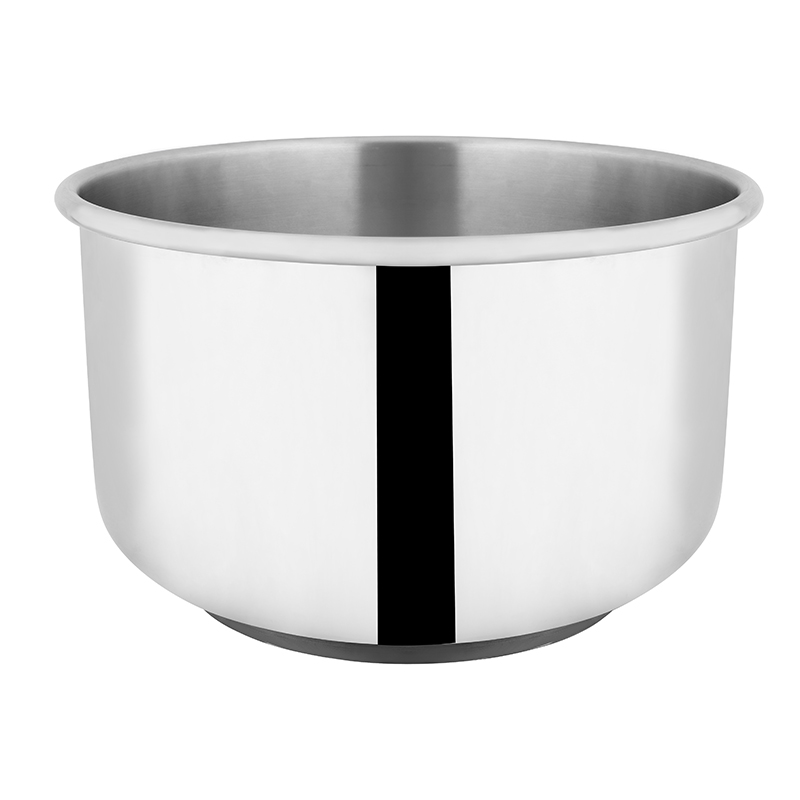
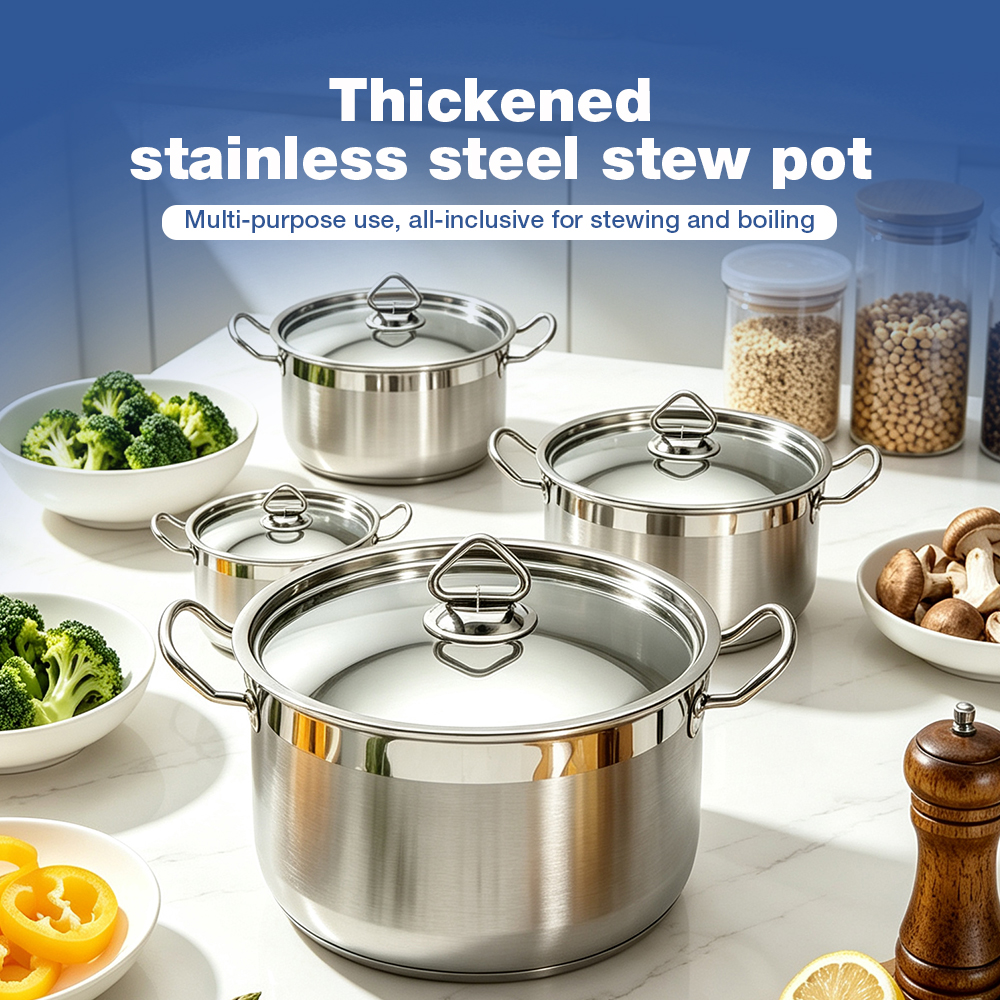
In the fast-paced world of industrial kitchens, commercial food preparation demands equipment that guarantees consistency, durability, and high thermal efficiency. Among the array of essential tools, the commercial stockpot stands as the ultimate cornerstone. From simmering nutrient-rich bone broths to executing large-scale boiling operations, the role of a heavy-duty stockpot cannot be overstated. As commercial kitchens transition toward high automation and energy-efficient induction systems, selecting the right commercial stockpot is no longer just a purchasing decision—it is a strategic investment in kitchen productivity and food safety.
The global commercial food service industry is undergoing a massive transformation. Driven by the rapid expansion of ghost kitchens, institutional catering (hospitals, schools, corporate offices), and food processing plants, the demand for high-volume food prep equipment has skyrocketed. In these settings, cooking vessels must withstand continuous, round-the-clock operations. Traditional residential cookware fails within days under such rigorous stress, making specialized industrial-grade commercial stockpots indispensable.
Modern food safety standards like HACCP (Hazard Analysis Critical Control Point) and NSF certifications have placed strict parameters on material composition. Kitchen operators now prioritize non-reactive materials that prevent metallic leaching, resist corrosion from acidic ingredients (such as tomato-based sauces), and offer easy sanitization. Heavy-duty 304 (18/10) and 316-grade stainless steel have emerged as the industry gold standards, offering unmatched durability and chemical resistance in high-temperature environments.
Commercial stockpots are not one-size-fits-all tools; their designs vary depending on the specific tasks they are engineered to perform. Understanding these application scenarios helps chefs and procurement managers select the ideal configuration for their culinary processes:
In central kitchens and catering facilities, producing stocks, consommés, and bone broths is a continuous process that can take anywhere from 8 to 24 hours. This requires a commercial stockpot with thick, multi-ply encapsulated bases that distribute heat evenly, preventing hot spots that can scorch the ingredients at the bottom of the pot. A scorched stock ruins the flavor profile of the entire batch, leading to substantial financial losses.
For operations that involve boiling pasta, cooking seafood, or blanching vegetables before freezing, rapid boiling and quick recovery times are essential. Stockpots designed with aluminum-clad cores facilitate rapid heat transfer, significantly reducing the time required to bring large volumes of water to a boil. When cold food is introduced, the pot's heat retention properties ensure it returns to a boil almost instantly, maintaining prep efficiency.
Preparing marinara, barbecue, or citrus-infused sauces requires a completely non-reactive surface. Using aluminum or low-quality cast iron pots can cause a chemical reaction that alters the color and introduces a metallic taste to the food. High-grade stainless steel stockpots remain inert, ensuring the pure flavor profile of the ingredients is preserved throughout long simmering sessions.
In hospitals and nursing homes, food prep requires strict temperature control to preserve nutritional value and ensure hygiene. Many modern facilities utilize advanced commercial stockpots integrated with temperature sensors or those compatible with high-efficiency induction cooktops to precisely manage heat levels, preventing vitamin degradation and ensuring uniform cooking.
When evaluating commercial stockpots for professional food prep, several engineering features distinguish premium industrial cookware from standard options:
The push for sustainability and energy efficiency is driving the future of commercial food prep. Induction cooking is rapidly replacing traditional gas burners due to its superior energy transfer efficiency (up to 90% compared to gas's 40-50%) and the resulting cooler kitchen environments. Consequently, manufacturers are focusing heavily on producing magnetic stainless steel stockpots compatible with commercial induction ranges.
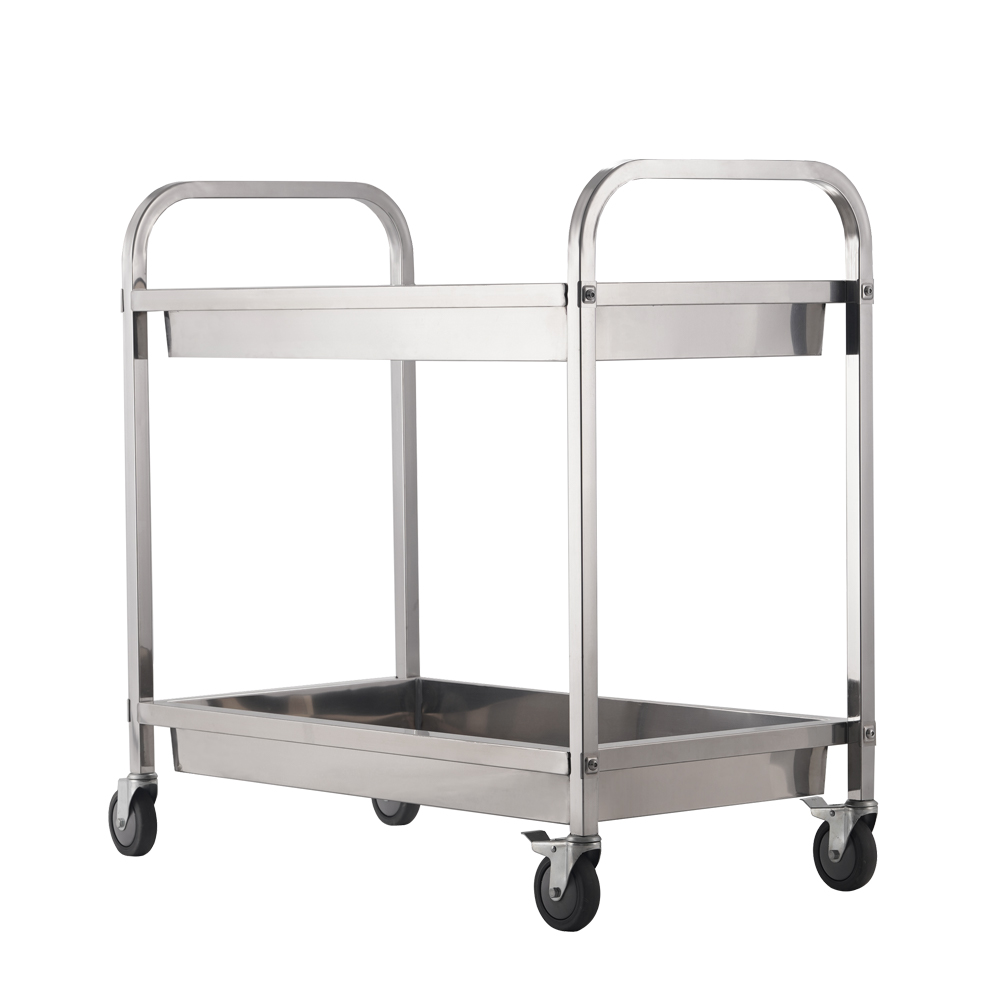
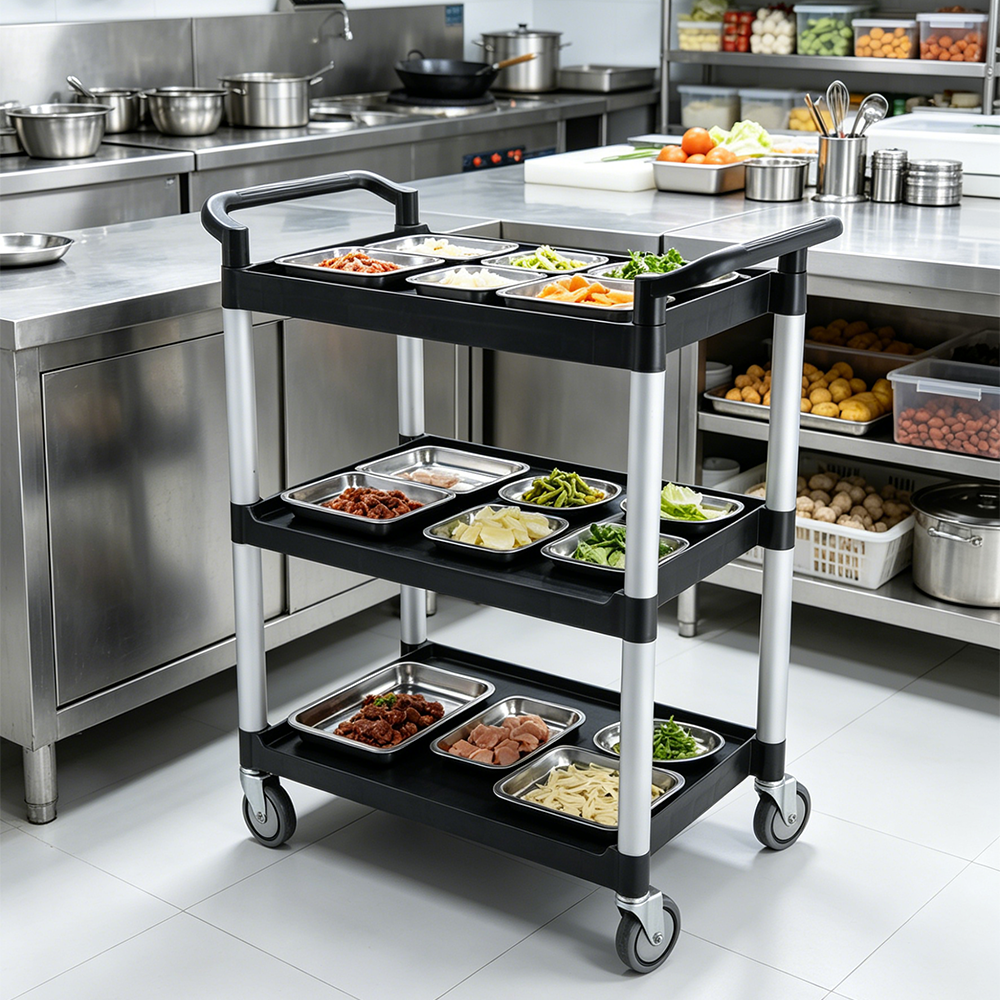
Furthermore, ergonomics and labor-saving features are gaining traction. Innovations such as integrated strainers, built-in spigots for easy liquid draining, and modular pot transport trolleys are helping kitchens minimize physical strain on staff, reducing workplace injuries and streamlining workflows.
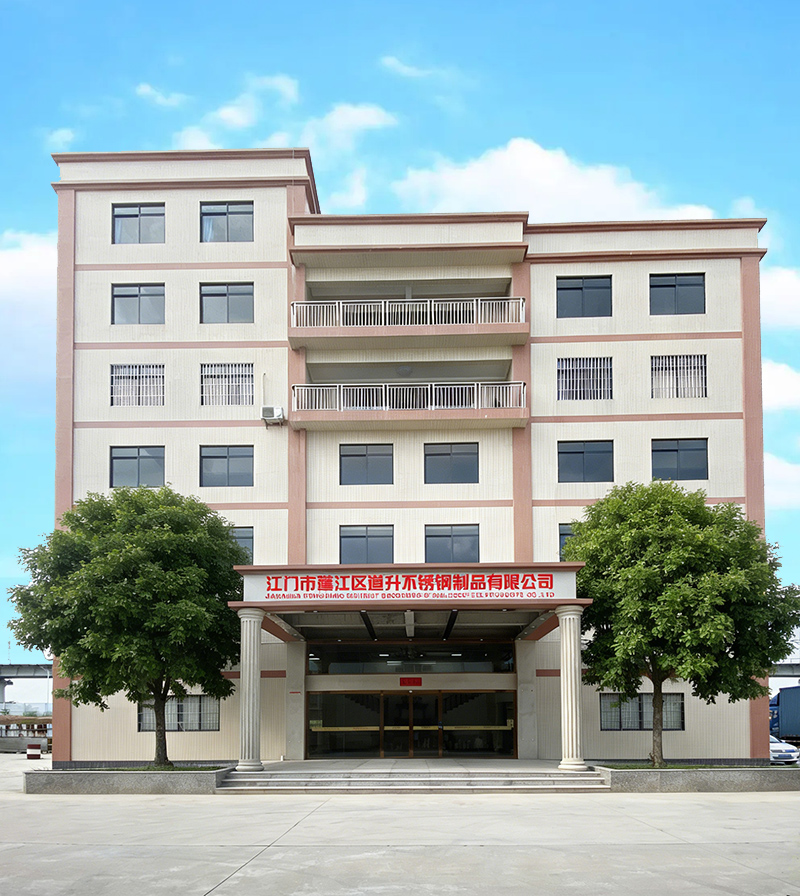


Jiangmen Pengjiang District Daosheng Stainless Steel Products Co., Ltd. is a professional manufacturer specializing in the design, research and development, and production of commercial kitchen cookware. Headquartered in Guangzhou, China, the factory covers an area of 30,000 square meters.
Since 1993, Daosheng has focused on the research and development and manufacturing of stainless steel commercial cookware, with over thirty years of experience. As a family business, we are rooted in our founder's profound knowledge of stainless steel materials and passion for cookware manufacturing, and are committed to creating high-performance stainless steel composite cookware.

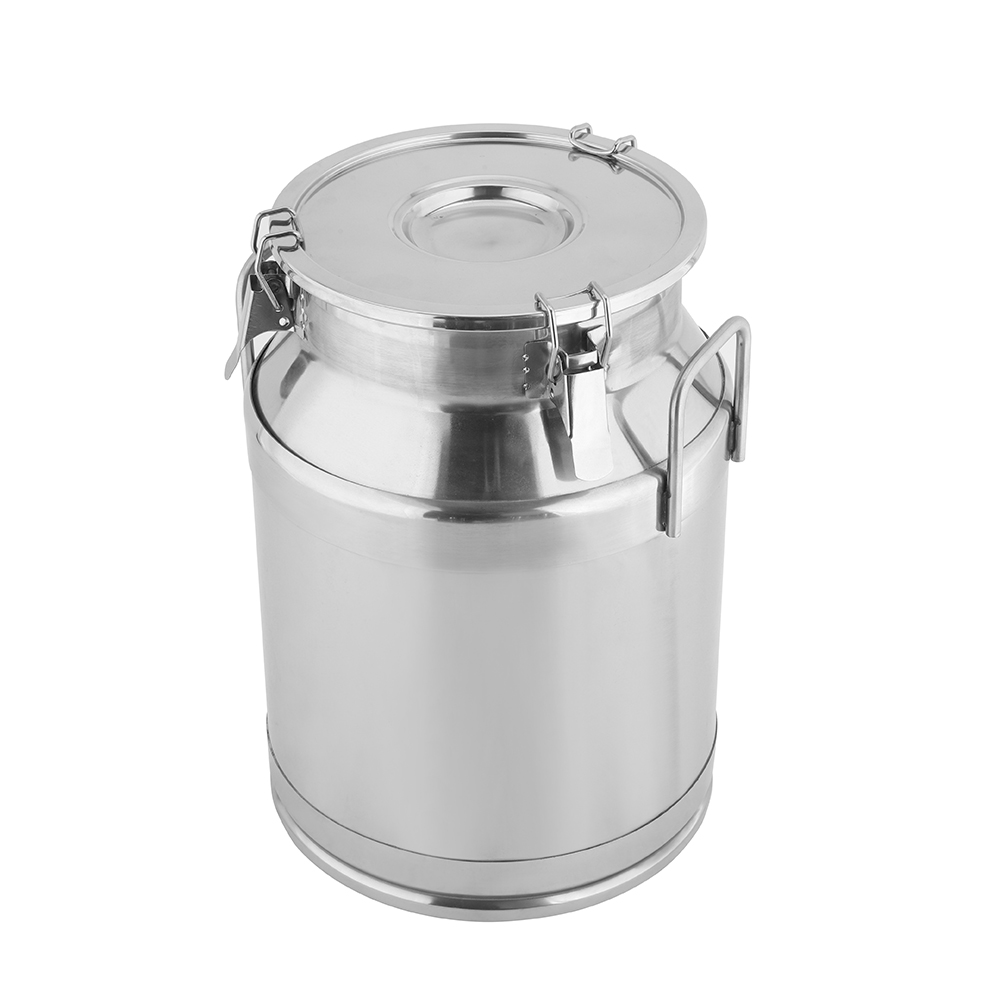
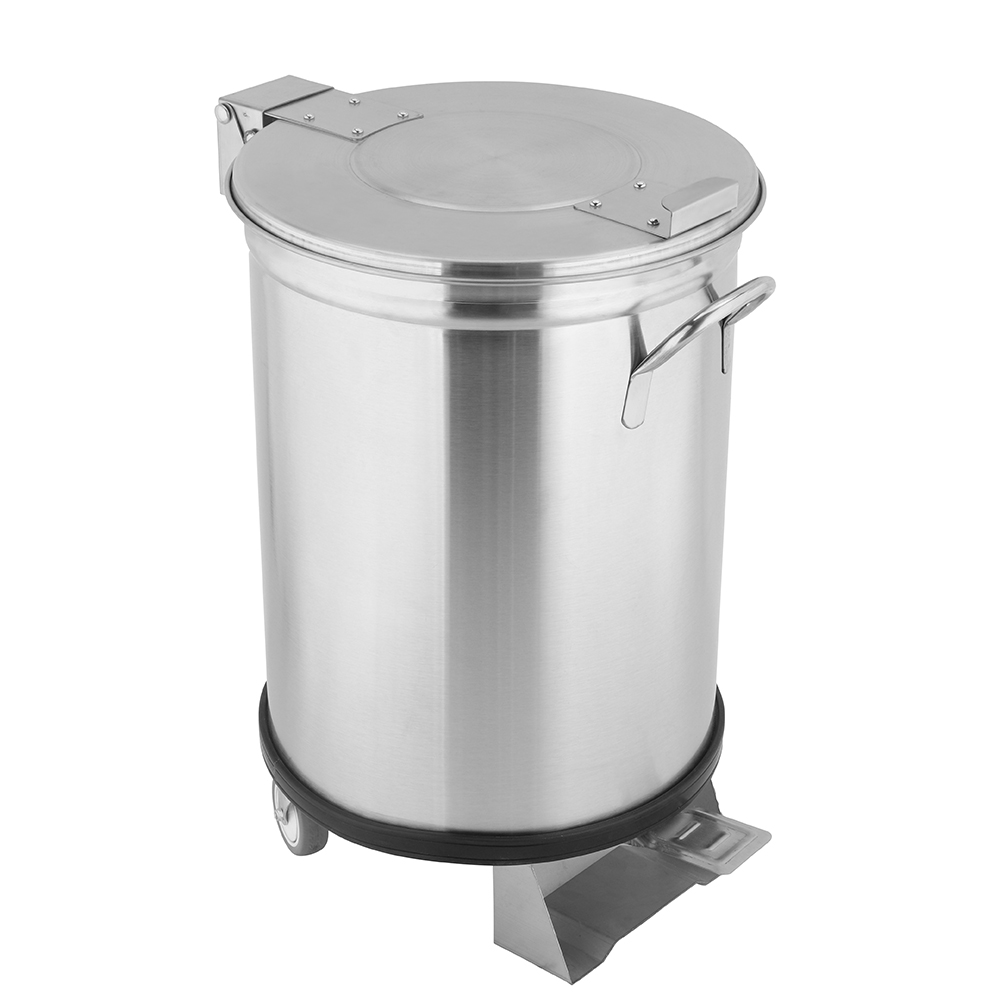
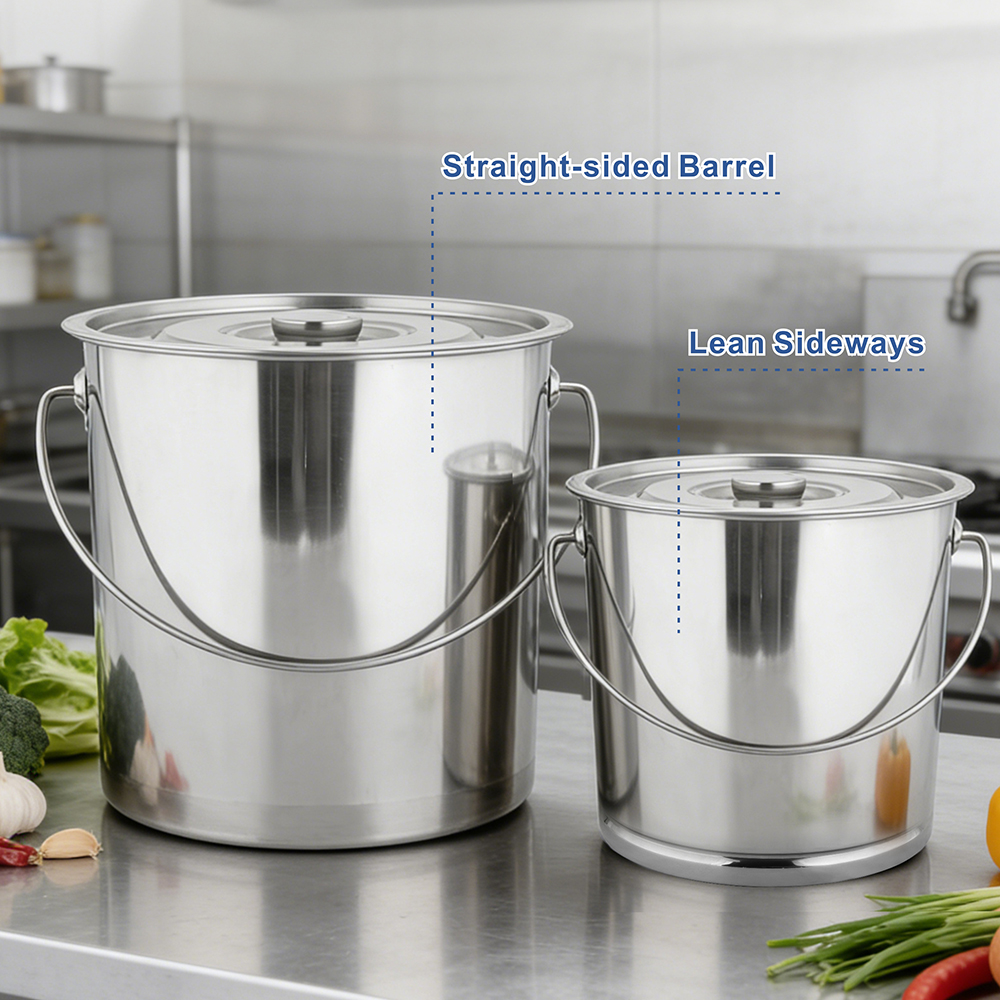


Continuously focusing on stainless steel commercial kitchen equipment, we possess rich manufacturing experience and industry insights.

Owning our factory eliminates rent, allowing us to provide customers with more cost-effective customized solutions.

Equipped with automated production lines and high-efficiency equipment, we continuously optimize production capacity and delivery capabilities.

Covering multiple industry applications such as healthcare, public services, and kitchen automation, meeting the needs of various business scenarios.