Committed to creating high-performance stainless steel composite cookware.

So, why choose a Condiment Pump for food service?
If you’ve ever worked a busy food counter, you know the struggle: speed matters, consistency matters, and keeping portions under control matters. A condiment pump can help with all three—without needing someone to babysit it. During a lunch rush, one measured press can fill a burger wrapper, paper cup, or sandwich station container. That tiny move cuts down on dripping bottles and messy countertop buildup.
Mark D. Stein, a foodservice equipment consultant at Northstar Foodservice Equipment, puts it this way: “A reliable dispenser protects speed, portion control, and the guest experience together.” And honestly, that tracks with what happens on the floor. Pumps can help control usage, especially with ketchup, mustard, mayo, sauces, and dressings. They can also make refilling easier—as long as staff follow a clear cleaning and maintenance routine.
That said, a pump isn’t automatically the right fix. Fittings that don’t match well can leak. Thick sauces can move slowly. Neglected parts can create hygiene concerns and hurt customer confidence. Yeah, that’s the less comfortable part. Equipment only saves time when teams actually inspect it, clean it, and replace worn components.
A good Condiment Pump should match the sauce viscosity, container size, serving volume, and service environment. Stainless steel counters, self-service bars, food trucks, and institutional kitchens may all need different designs. Durable materials matter. So does the pump’s ability to deliver repeatable portions.
The best choice is practical, not fashionable. It should feel easy during a crowded shift. A thoughtful evaluation can reduce waste, improve presentation, and make everyday service more predictable. Still, staff training remains essential. No dispenser can replace good judgment.
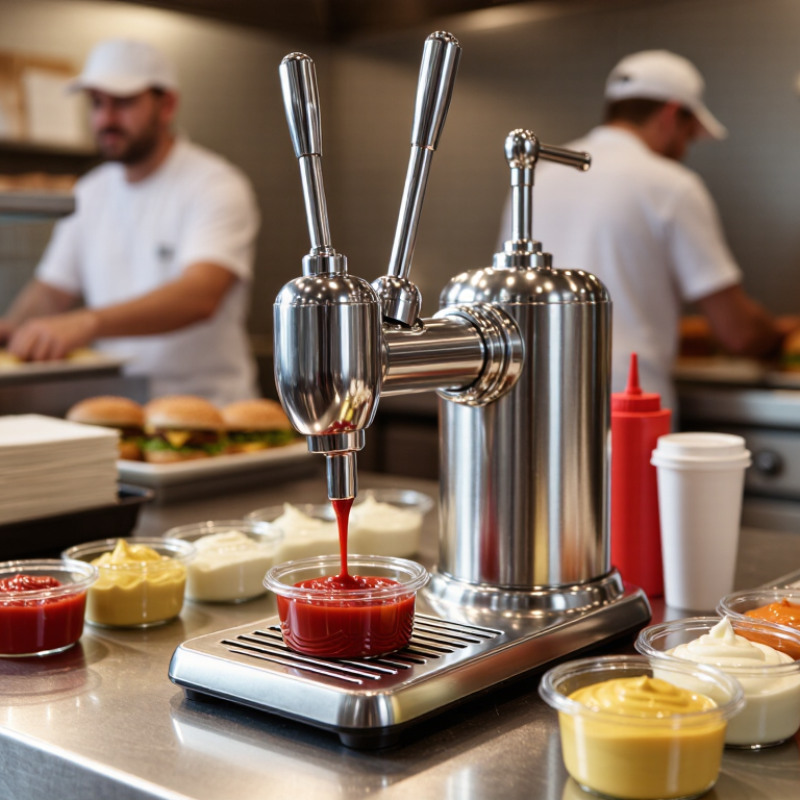
A condiment pump is a measured dispensing device for sauces, dressings, and toppings. A Ketchup Pump usually includes a reservoir, piston, spring, and narrow nozzle. Pressing the handle moves the piston downward. This action pushes a controlled amount of ketchup through the outlet. When released, the spring returns the piston and draws more sauce into the chamber.
In a busy food service line, this mechanism makes portion control easier. Each press can deliver a similar amount, reducing messy over-serving and sudden spills. The nozzle also keeps hands away from the sauce, which supports cleaner service. Staff should check the pump’s portion size during setup. Sauce thickness, temperature, and worn seals can affect the result.
Cleaning still matters. A pump is not automatically hygienic. Workers need to empty it, wash each removable part, rinse thoroughly, and sanitize it according to approved procedures. The nozzle deserves close attention because dried sauce can block its opening. I have found that a quick visual check catches many problems. It is not foolproof. Some pumps drip, especially when seals age or the container is overfilled. Regular inspection and clear cleaning records help keep the equipment dependable during service.
Portion control becomes practical when every serving follows the same measured stroke. A condiment pump can dispense sauces, dressings, and syrups with less guesswork. One pump may deliver a predictable amount, while an open squeeze bottle can release too much. That difference matters during a busy lunch rush. It also helps reduce waste and keeps plates looking consistent. A Server Sauce Pump works especially well when staff need speed without losing control. Small details count.
Tips: Select a pump that matches the sauce’s thickness. Thin dressing may flow quickly, while relish or thick barbecue sauce needs a wider passage. Test several strokes into a measuring cup before service. Mark the correct fill level if staff need a visual guide. Clean the nozzle during scheduled breaks. Dried sauce can change the portion suddenly.
Portion control is not completely automatic. Staff still need training, and pump parts require regular inspection. A worn valve may drip after dispensing, creating messy counters and hidden product loss. I would also review serving sizes when changing recipes. A new ingredient can alter viscosity and flow. Record a few sample portions during setup. This simple check reveals problems before customers notice them. Reliable equipment helps, but careful habits finish the job.
Why Choose a Condiment Pump for Food Service?
Key Hygiene Benefits in Food Service Operations
A condiment pump can reduce direct hand contact during busy food service. Staff and guests touch the lever, not the sauce itself. This matters near shared counters, where spills, sleeves, and repeated refills create contamination risks. The FDA Food Code 2022 recommends protecting exposed food from contamination and using suitable dispensing utensils. A covered pump supports that practice more consistently than an open serving spoon.
Portion control also improves hygiene. Each press delivers a more predictable amount, limiting drips around sandwiches, trays, and preparation surfaces. Less residue means fewer sticky contact points for bacteria and pests. The CDC estimates that contaminated food causes about 48 million illnesses in the United States each year. A pump cannot prevent every incident. It is only one control in a larger sanitation system. That limitation deserves attention.
Tips: Clean the nozzle throughout service, not only at closing. Empty and wash reservoirs according to the product’s handling instructions. Keep backup pumps sealed and off the floor. Check for cracked parts, slow returns, or sauce buildup under the collar. Train staff to wipe from clean areas toward dirty ones. These small actions are easy to skip during a rush, and that is where the system may fail. Keep a simple cleaning log, even if it feels excessive.
| Hygiene Area | How a Condiment Pump Helps | Food-Service Risk Addressed | Recommended Operating Practice | Verification Point |
|---|---|---|---|---|
| Reduced Hand Contact | Dispenses sauce or dressing through a pump mechanism, reducing the need for customers or employees to touch the food product directly. | Limits opportunities for contamination from hands, utensils, and repeated direct contact with shared containers. | Use a dedicated pump for each condiment and keep the dispensing outlet protected from contact with hands, food, and work surfaces. | Observe whether the nozzle remains contact-free during service. |
| Portion Control | Provides more consistent portions than open ladles, spoons, or free-pouring containers when the pump is correctly selected and calibrated. | Reduces spills, excess product on serving areas, and residue that can attract pests or create additional cleaning requirements. | Select a pump volume appropriate for the condiment and check the output during setup and after cleaning. | Compare the delivered portion with the operation’s approved serving size. |
| Protection from Environmental Exposure | Keeps most of the condiment inside a covered container instead of exposing the full contents to air, droplets, dust, or accidental contact. | Helps reduce contamination risks in self-service counters, buffets, cafeterias, and high-traffic preparation areas. | Keep the container covered when not being actively used and position it away from splash sources and waste bins. | Inspect the lid, pump head, and dispensing area for visible contamination or damage. |
| Cleaning and Sanitizing | A removable pump can be disassembled, cleaned, rinsed, and sanitized according to the equipment and food-contact-surface instructions. | Prevents dried residue and microorganisms from accumulating on food-contact parts. | Follow the facility’s cleaning schedule, use approved chemicals at the correct concentration, and allow parts to air-dry where required. | Record cleaning completion and confirm that no residue remains inside the pump or nozzle. |
| Cross-Contamination Control | Dedicated pumps help prevent one condiment from being transferred into another through shared serving utensils. | Reduces the risk of allergen or ingredient transfer between products. | Use separate, clearly identified pumps for each product and apply allergen-control procedures where applicable. | Check pump labels and confirm that equipment is not exchanged between products without cleaning and sanitizing. |
| Temperature Management | Works with covered containers and controlled holding procedures, helping the operation manage the amount of product exposed during service. | Supports control of time and temperature for condiments that require temperature control for safety. | Follow the applicable local food code and keep time-temperature-control foods within the required limits. | Measure and document product temperature with a calibrated food thermometer when required. |
| Inventory Rotation | Container-based dispensing makes it easier to identify the active product and replace it using a first-in, first-out rotation system. | Helps reduce the chance of using expired, spoiled, or long-opened product. | Label containers with opening dates where required and do not top up a partially used container with fresh product. | Review product dates, discard limits, and container condition during shift checks. |
| Service Consistency | A standardized dispensing method provides consistent handling across different employees and service periods. | Reduces variation in sanitation, portioning, and product handling between shifts. | Include pump use, cleaning, storage, and replacement procedures in the operation’s food-safety training. | Use a documented checklist for opening, active service, closing, and equipment replacement. |
Note: A condiment pump supports hygiene control but does not replace handwashing, employee health policies, approved cleaning and sanitizing procedures, or applicable local food-safety regulations.
Choosing a condiment pump starts with the sauce, not the container. Thin condiments, such as vinegar-based dressings, need a narrow, controlled outlet. Their low viscosity can cause dripping and waste. Thick sauces require wider valves and stronger return springs. Mayonnaise, cheese sauce, and nut-based spreads may need larger passages. Otherwise, staff may press harder and damage the pump.
Texture matters too. Relishes, salsa, and sauces with herbs or seeds can clog small openings. A pump designed for particulates reduces this risk, but cleaning remains essential. The FDA Food Code 2022 requires dispensing utensils to prevent contamination, including proper handle placement. The CDC estimates that foodborne illness causes 48 million illnesses annually in the United States. That figure makes small hygiene decisions important. A pump is not automatically cleaner. I have seen poorly rinsed nozzles become sticky within one service period.
Tips: Match the pump to viscosity and particle size. Check the manufacturer’s temperature rating before using hot or chilled sauces. The FDA Food Code sets cold holding at 41°F or below and hot holding at 135°F or above. Test the portion size during peak service, not only in a quiet kitchen. Record drips, clogs, and refill frequency for one week. The perfect pump may still be the wrong choice during rush periods. Recheck the decision after staff feedback, because real service is messier than a product test.
A condiment pump must survive repeated use, spills, and busy service periods. In my experience, sturdy stainless steel components handle constant pressing better than thin plastic parts. The nozzle should return smoothly after every serving. A sticky pump slows the line and frustrates staff.
Small details matter.
A Chocolate Sauce Pump often handles thick, sugary product, so residue can harden inside the valve. Staff should disassemble the pump after each shift, following the equipment instructions. Wash removable parts with warm water and food-safe detergent. Use a narrow brush around threads, seals, and the nozzle opening. Rinse thoroughly, then allow every part to air-dry before reassembly.
Daily cleaning is not only about appearance. Dried sauce can affect portion control and create unpleasant odors. Inspect gaskets for flattening, cracks, or looseness. Replace damaged parts promptly. Do not force a clogged mechanism, because pressure may deform the seal. That mistake is easy to make during a rushed closing shift.
Keep cleaning records where supervisors can review them. This supports consistent training and helps identify recurring failures. However, perfect routines are difficult during peak hours. I have seen teams overlook a hidden gasket because the outside looked clean. That experience is worth remembering. A durable pump still needs careful handling, regular inspection, and honest maintenance checks.
A condiment pump can turn a small serving decision into a measurable cost-control tool. The National Restaurant Association’s 2024 industry report projected over $1 trillion in U.S. restaurant sales, while labor expenses remained a major operating concern. In busy kitchens, pumps support faster, more consistent portioning. Staff can dispense sauce with one hand while assembling a meal with the other. That reduces open-container handling and repeated scooping during peak service.
The financial benefit depends on control, not the pump alone. A fixed stroke can limit over-pouring, especially with mayonnaise, dressings, and thick sauces. ReFED reports that foodservice operations generate millions of tons of food waste each year in the United States. Exact savings vary by menu, staff habits, and pump calibration. That uncertainty matters. A pump may reduce waste, but careless cleaning or poor portion settings can erase the gain. Track container usage for two weeks before and after installation. Compare servings sold, sauce consumed, and replacement time.
Tips: Choose a pump matched to sauce thickness. Label each pump with its portion size. Keep a spare nozzle nearby. Clean valves on a scheduled cycle. Train employees beside the prep counter, using a filled container and a portion cup. Review results weekly, not just when food costs rise. Small misses still count.
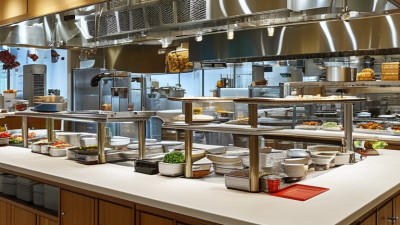
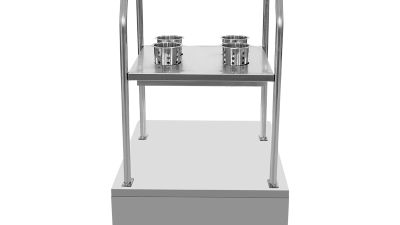
A stainless steel condiment prep and storage trolley brings order and efficiency to busy commercial kitchens. Designed for restaurants, buffets, canteens, and catering operations, this professional station combines preparation space, utensil organization, and protected storage in one compact unit. Its food-grade stainless steel construction resists rust and corrosion, while the smooth surface allows quick cleaning between tasks and supports demanding daily use.
The multi-tier design makes better use of vertical space. The upper double-shelf rack keeps frequently needed containers and supplies visible, while the spacious middle worktop provides a convenient area for preparing condiments and arranging service items. Integrated holders keep chopsticks, spoons, and kitchen tools close at hand, reducing unnecessary movement during food preparation. Beneath the work surface, the enclosed cabinet stores seasonings, tableware, and backup supplies away from dust, grease, and kitchen traffic.
A curved handrail makes the trolley comfortable to move between preparation, cooking, and serving areas. Adjustable foot pads improve stability on uneven floors, helping prevent unwanted movement during operation. Carefully polished welds and rounded edges support safer handling in fast-paced environments. Available in customized sizes and configurations, the trolley can be adapted to different kitchen layouts while providing a durable, organized solution for everyday foodservice work.
It reduces direct contact with sauces during busy service. Staff and guests touch the lever, not the condiment. It is not foolproof.
No. It only supports a wider sanitation system. Dirty nozzles, poor refilling, and unwashed hands can still create risks.
Clean the nozzle throughout service, not only at closing. Wipe away sauce buildup before it becomes sticky. Busy periods need extra attention.
Disassemble removable parts according to the equipment instructions. Wash them with warm water and food-safe detergent. Brush threads, seals, and narrow openings carefully.
Match the pump to the sauce’s thickness and texture. Thin dressings need controlled outlets, while thick sauces need wider passages. Seeds and herbs can clog small openings.
Check for slow returns, cracked parts, loose gaskets, and sauce under the collar. A sticky lever may signal residue inside the valve. Do not force it.
Each press can deliver a more consistent amount. This reduces drips on trays, sandwiches, and preparation surfaces. Actual results may vary during rush periods.
Keep backup pumps sealed and off the floor. Store sauces within their required temperature ranges. Record refills, clogs, and drips for several service days.
A Condiment Pump is a practical dispensing tool designed to deliver sauces, dressings, syrups, and other semi-liquid toppings in a controlled and consistent manner. By using a measured pump action, it helps food service teams manage portion sizes, reduce waste, and maintain a uniform presentation across every serving. Different pump designs and output volumes can be selected to match the texture and thickness of specific condiments, ensuring smooth and reliable dispensing.
In busy kitchens and serving areas, condiment pumps also support better hygiene by limiting direct contact with food and making routine cleaning easier. Durable materials, removable components, and daily sanitation procedures help maintain dependable performance over time. Compared with manually scooping or pouring condiments, pumps can improve speed, reduce spills, and lower product costs. With the right selection and regular maintenance, they provide an efficient, hygienic, and cost-effective solution for commercial food service operations.