Committed to creating high-performance stainless steel composite cookware.

Let's be honest, catering teams don't pick pans just because they look nice. What really matters is whether those pans hold heat well, let you serve quickly, and aren't a pain to move around. To put things in perspective, the National Restaurant Association's 2025 industry report projects U.S. restaurant and foodservice sales will hit $1.5 trillion. That's a huge number—and it shows just how demanding this sector really is. The equipment you choose can make or break service speed and consistency. You'd think a catering pan is just a pan, right? But honestly, the depth, the material, even how well it fits in the holder—they all matter more than you'd expect. Get these wrong, and your buffet line can turn into a total mess. Get them right, and everything just flows.
So, if you're comparing pans in 2026, this guide basically walks you through stainless steel, aluminum, and disposable options—plus standard and fractional sizes. Honestly, every choice has its pros and cons. Stainless steel? Tough as nails. Aluminum is lighter and easier to wrangle, which is a big plus. Disposable pans make cleanup a breeze, but they can feel a little flimsy when you pile on something heavy. And the small stuff really matters: a lid that fits snugly, a reinforced rim, or a chafer that actually works with your pan can save you from spills and all that awkward juggling. So the FDA Food Code says hot holding should be at least 135°F. That means you really need the right equipment and regular temp checks—there's no way around it. But even then, no pan is going to keep things safe on its own.
Honestly, there's no single best pan for every caterer. It really depends on your menu, how long the event lasts, how far you're hauling everything, and what your washing setup can handle. So yeah, no universal winner. And let's be real—there are trade-offs. A lighter pan might be easier to carry, but it's not always the toughest. This guide doesn't pick a winner; it lays out the strengths and weaknesses so you can match pans to actual kitchens, crowded buffet lines, and those inevitable last-minute changes.
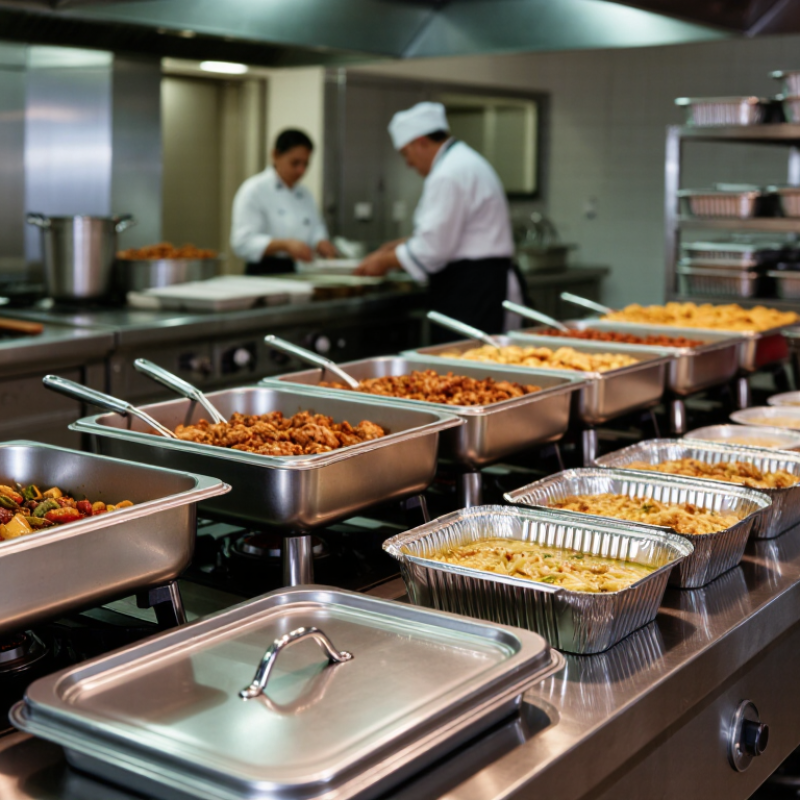
Catering pans are reusable or disposable vessels used to prepare, store, transport, hold, and serve food. Common choices include stainless steel pans for repeated service, lightweight aluminum pans for transport, and clear food-safe pans for chilled ingredients. Their shapes and depths help staff portion dishes, stack supplies, and fit serving equipment. A shallow pan can expose more food for quick access; a deeper one may suit bulk preparation. Small details matter.
The scale of food service makes reliable handling essential. The National Restaurant Association’s 2024 State of the Restaurant Industry report projected U.S. restaurant sales of $1.1 trillion and employment of 15.7 million people. Pans help teams move food through busy kitchens and service lines with fewer transfers. The FDA Food Code recommends holding hot food at 135°F or above and cold food at 41°F or below. A pan supports that workflow, but it cannot control temperature on its own. Check the food, not just the container.
Material choice also affects daily work. Stainless steel tolerates repeated washing, while disposable pans can simplify off-site events, though they create more waste. CDC estimates link foodborne illness to about 48 million U.S. cases each year. That figure is a reminder: clean pans, sound storage, and careful temperature checks belong together. A tidy stack is not proof of safe handling.
Pan material affects heat distribution, durability, and cleaning. Stainless steel handles frequent service and washing, and it resists corrosion when maintained well. It heats less evenly than aluminum, though, so hot spots may appear over burners. Aluminum spreads heat quickly and weighs less, but thin pans can bend when loaded or stacked. I have seen a dented corner make a pan harder to fit securely. Small details matter.
A Catering Hotel Pan in stainless steel suits repeated use, while heavier aluminum can work well for even heating. Uncoated aluminum may react with acidic or salty foods during long holding periods, so check the pan’s finish and intended use. Disposable foil pans are light and convenient, but they can flex under heavy food and are less durable. Not ideal for every job.
Food safety depends on handling, not material alone. Choose smooth pans without deep scratches, cracks, or pitting, since damaged surfaces are harder to clean thoroughly. Wash and sanitize reusable pans between uses, then dry them before storage. Check food temperatures with a thermometer; a pan cannot ensure safe holding on its own. Even good equipment needs attention.
How pan materials affect heat transfer, durability, and food safety
How to read this: Higher thermal conductivity generally means heat moves through the material more readily. These approximate bulk-material values are in watts per meter-kelvin (W/m·K) and vary by alloy and temperature; pan thickness and construction also affect performance. Stainless steel is durable and corrosion-resistant, while aluminum is lightweight and transfers heat well. For food safety, use pans with food-contact surfaces suited to the food being served; unlined copper should not contact acidic foods.
Full-size hotel pans suit high-volume service, while fractional pans help organize smaller portions. A full-size pan can hold roasted vegetables, carved meat, or chilled salad on a buffet. Half-size and third-size pans fit toppings, sauces, and side dishes. Fit matters. Check the counter opening and storage shelf before choosing quantities; a pan that nearly fits can still block airflow or complicate handling.
Depth changes capacity and access. Shallow pans make food easier to reach and work well for items served quickly. Deeper pans hold more, but the bottom can be hard to reach during a rush. For refrigeration, use compatible lids and leave room for safe circulation around containers. Stainless steel is durable for hot service, while clear food-safe plastic can make stored contents easier to identify. Each material has trade-offs.
Fractional pans are useful when menus change or several dishes share one well. They can reduce unused space, though too many small pans may mean more refilling and washing. Measure the equipment, note the portion sizes, and test the layout with a typical service load. I would still recheck the fit after changing shelves or inserts; small differences matter.
Steam table pans keep buffet service organized and food accessible. Stainless steel pans suit repeated use, while disposable foil pans can simplify cleanup. Full-size and half-size pans fit many standard wells; shallow pans make serving easier, but need more frequent refills. A Catering Buffet Pan should fit the warmer securely, with room for circulating heat around it.
Hot holding depends on the equipment and the food, not the pan alone. The 2022 FDA Food Code sets 135°F as the minimum temperature for hot-held time/temperature control foods. Check temperatures with a calibrated probe, and stir sauces before testing. Preheat the water well, keep lids nearby, and replace nearly empty pans rather than topping them up indefinitely. Small details matter.
Tips: Choose pan depth based on menu and service pace. Use perforated pans to drain moisture from items such as vegetables, with a solid pan underneath to catch drips. Avoid overfilling: deep pans can make serving awkward and temperature checks less representative. Heat can be uneven, so verify the food itself during service.
For 2026, sheet pans and roasting pans remain practical workhorses for baking and high-volume cooking. The National Restaurant Association’s 2025 State of the Restaurant Industry report projected US restaurant sales of $1.5 trillion and 15.7 million jobs. Those figures do not measure kitchen throughput, but they underline the scale of food service—and the value of equipment built for repeated batches.
Rimmed sheet pans suit cookies, roasted vegetables, and portioned proteins spread in a single layer. That spacing helps hot air circulate; crowding can leave vegetables pale and damp. Shallow sides make loading easy, while a deeper roasting pan contains meat juices and accommodates larger cuts. Aluminum heats quickly, while heavier pans may resist warping better under frequent use. Check pan dimensions against oven racks before buying. Fit matters.
For busy kitchens, match pan depth and material to the task, then rotate batches consistently. Inspect corners and rims for bending, which can affect stability and spill control. The FDA Food Code 2022 sets 135°F as the minimum hot-holding temperature for time/temperature control foods. A pan alone cannot ensure safe holding; use a calibrated thermometer and follow applicable procedures. Some kitchens still overload pans during rushes. That habit deserves a second look.
| Pan Type | Typical Size | Common Construction | Best Uses | High-Volume Advantages | Considerations |
|---|---|---|---|---|---|
| Full-size sheet pan | About 18 × 26 in; shallow rim | Aluminum or aluminized steel | Batch baking, roasting vegetables, cooking proteins, and staging prepared foods | Provides a large cooking surface and fits many commercial rack systems | Check oven and rack dimensions before purchasing; a loaded pan can be heavy |
| Half-size sheet pan | About 18 × 13 in | Aluminum or aluminized steel | Smaller batches, side dishes, desserts, and portioned roasting | Easier to handle than a full-size pan and useful for separating foods or tasks | Confirm that the size matches the racks and storage system in use |
| Quarter-size sheet pan | About 13 × 9.5 in | Aluminum or aluminized steel | Small batches, mise en place, garnishes, and compact oven loads | Convenient for organizing ingredients and cooking limited quantities | Offers less capacity per pan than full- and half-size formats |
| Deep sheet pan | Commonly full- or half-size; deeper sides than a standard sheet pan | Aluminum or stainless steel | Roasting foods that release juices, holding ingredients, and shallow braising | Taller sides help contain liquids and reduce spills during handling | Greater depth can affect airflow and browning compared with a shallow pan |
| Standard roasting pan | Varies by maker; often sized to fit a large roast with room around it | Stainless steel, aluminum, or coated metal | Roasting poultry, meat joints, and large batches of vegetables | Deeper sides contain drippings; sturdy handles can help with transport | Allow room for oven clearance and safe lifting when the pan is full |
| Roasting pan with rack | Varies; rack is fitted to the pan | Usually stainless steel or aluminum, with a matching metal rack | Roasting poultry and meat above collected drippings | Elevates food for airflow and keeps it separated from liquid in the pan | Check rack fit and stability; remove the rack when the recipe calls for direct contact |
| Disposable foil roasting pan | Available in several lengths and depths | Thin formed aluminum foil | Off-site catering, temporary service, and transporting food | Lightweight and convenient when washing and returning equipment is impractical | Less rigid than reusable pans; support from a sheet pan or carrier may be needed |
Specialty catering pans do more than hold food. They protect texture in transit, make buffet service look orderly, and help staff portion consistently. The National Restaurant Association’s 2024 State of the Restaurant Industry projected $1.1 trillion in U.S. restaurant sales, underlining the scale of foodservice operations. That figure is not pan-specific, but it helps explain why practical service equipment matters.
For transport, deep stainless-steel hotel pans with fitted lids suit stews and braised dishes. Use shallow pans for foods that shift easily, and secure them inside insulated carriers. A Catering Deep Hotel Pan can provide capacity for bulk service, but its weight when full deserves a real test before choosing it. Small details matter. For display, shallow pans keep toppings visible and easier to reach; perforated inserts help drain moisture from items such as steamed vegetables. Divided pans keep sauces apart, though narrow compartments can slow serving.
Portioning deserves equal attention. Standard pan sizes and marked serving utensils help teams estimate yield and replenish food without guesswork. The FDA Food Code 2022 sets hot holding at 135°F or above and cold holding at 41°F or below. Choose lids and inserts that support temperature checks and safe handling. Still, the pan alone cannot ensure good service. I would test the setup with actual food, a full carrier, and the route staff will use.
Match pans to the menu, the equipment, and the way food reaches guests. Full-size stainless-steel hotel pans suit baked pasta, roasted vegetables, and hot holding; perforated pans help drain steamed greens. For chilled salads, shallow pans make portions easier to reach and help avoid burying fresh ingredients under deep layers. A Commercial Catering Pan should also fit the oven, warmer, or serving well—check dimensions and depth before ordering. Small mismatch, big service headache.
The National Restaurant Association’s 2025 State of the Restaurant Industry report projected U.S. restaurant and foodservice sales of $1.5 trillion for 2025. That scale makes reliable, quick service important, but it does not mean every kitchen needs the same pan set. Match pan depth to batch size: deep pans can protect volume during a rush, while shallow pans make smaller batches easier to replenish. For temperature control, use the FDA Food Code’s hot- and cold-holding benchmarks—135°F or above, and 41°F or below. Verify local requirements and use a calibrated thermometer.
Tip: Test one pan on the actual rack or serving line before buying a full set. Check handles, lids, and stacking clearance, too. My honest caveat: a universal “best” pan rarely exists; menus and equipment change, and the right choice may need revisiting.
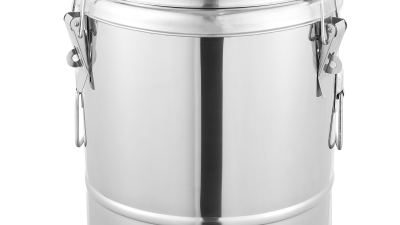
Commercial stainless steel food warmers help catering teams keep prepared meals hot, moist, and ready to serve between the kitchen and the buffet line. Their multi-layer insulation slows heat loss, helping maintain a more consistent serving temperature for dishes such as braised meats, rice, soups, and vegetables. By reducing reliance on last-minute reheating or prolonged exposure to heat lamps, they can support smoother service and help limit food drying and waste during busy meal periods.
Designed for restaurants, hotels, and high-volume catering, these containers feature wide openings for easy scooping and secure snap-on lids to retain warmth and reduce spills during transport. Heavy-gauge 18/0 stainless steel resists everyday dents and scratches, while its magnetic properties make it suitable for compatible induction-heating setups. Brushed exteriors are easy to maintain, and smooth, seamlessly welded interior corners simplify cleaning. From hotel breakfast bars and hospital cafeterias to weddings, food trucks, and school lunch programs, these warmers offer a practical way to keep meals service-ready. Optional stacking rings can also help organize containers on carts or in warmer cabinets.
They prepare, store, transport, hold, and serve food. Their shape and depth can make portioning easier.
Stainless steel handles repeated washing and use. It is a practical choice for busy kitchens.
They can simplify off-site events and transport. But they create more waste. That trade-off deserves a second look.
Shallow pans make food easier to reach and suit smaller batches. Deep pans can hold larger quantities during a rush.
Compare its dimensions and depth with your oven, warmer, or serving well. Test one pan before buying a full set.
No. Use a calibrated thermometer and check the food. The article gives hot-holding guidance of 135°F or above and cold-holding guidance of 41°F or below.
Check handles, lids, and stacking clearance. A small mismatch can disrupt service.
Probably not. Menus and equipment change, so the right choice may need revisiting. A tidy stack is not proof of safe handling.
Choosing the right Catering Pan can improve efficiency, food quality, and organization across every stage of food service. This guide explains how pan materials influence durability, heat response, and food safety, then compares full-size and fractional hotel pans for preparing, storing, and serving ingredients. It also covers steam table pans, which help keep buffet dishes warm, along with sheet pans and roasting pans suited to baking and high-volume cooking.
Specialty pans can support food transport, attractive presentation, and consistent portioning. The best choice depends on the menu, kitchen equipment, serving setup, and expected volume. By matching pan size, shape, and material to these practical needs, caterers can plan smoother workflows and serve food more reliably, whether preparing meals in advance, cooking in batches, or maintaining dishes during service.