Committed to creating high-performance stainless steel composite cookware.

Leave Your Message
0%

Picking a stainless steel Restaurant Prep Table isn’t just about comparing prices. Honestly, it can shape how your whole kitchen runs—food prep, storage, cleaning, and how your staff moves when things get busy. A crowded counter might slow a cook down by a few seconds, and then those seconds turn into minutes. Yeah, the little details really matter.

According to Michael Oshman, a commercial kitchen consultant, “Good equipment should make the right workflow feel natural.” And honestly? That’s pretty much the lens behind this selection. When we look at each Restaurant Prep Table, we run it through the real-world stuff: stainless steel grade, welded construction, how strong the undershelf is, drawer capacity, caster quality, backsplash height, and whether it plays nicely with temperature controls. These are the kinds of details that product photos just don’t show you. You notice them pretty quickly, honestly—when a cutting board slips, a drawer gets stuck, or water starts pooling underneath a pan.

So this Top 10 list? It’s all about tables that can actually hold up in a real restaurant kitchen. We’re looking at how each one handles constant wiping down, heavy containers, sharp utensils, and not much space to work with. Some tables go for a compact setup. Others give you deeper work surfaces or tougher refrigerated storage. And honestly, no ranking gets it perfect. A table that works great for a bakery might drive a pizzeria crazy if they’ve got bigger dough trays. Your own workflow still matters most.

Don’t just skim—look closely at the details.

We also tend to look at long-term value, not just the cheapest price tag. A thicker worktop, adjustable feet, and casters that actually hold up? Those can save you a lot of daily annoyance - and maybe some replacement costs down the road. Still, it's worth taking marketing claims with a grain of salt. Just because something says 'commercial' doesn't mean it'll perform the same as the rest. And before you buy, double-check the dimensions, load limits, warranty terms, and any local sanitation rules. The best stainless steel restaurant prep table? It's the one that fits your menu, your staff, your space, and—let's be real—how you actually clean.
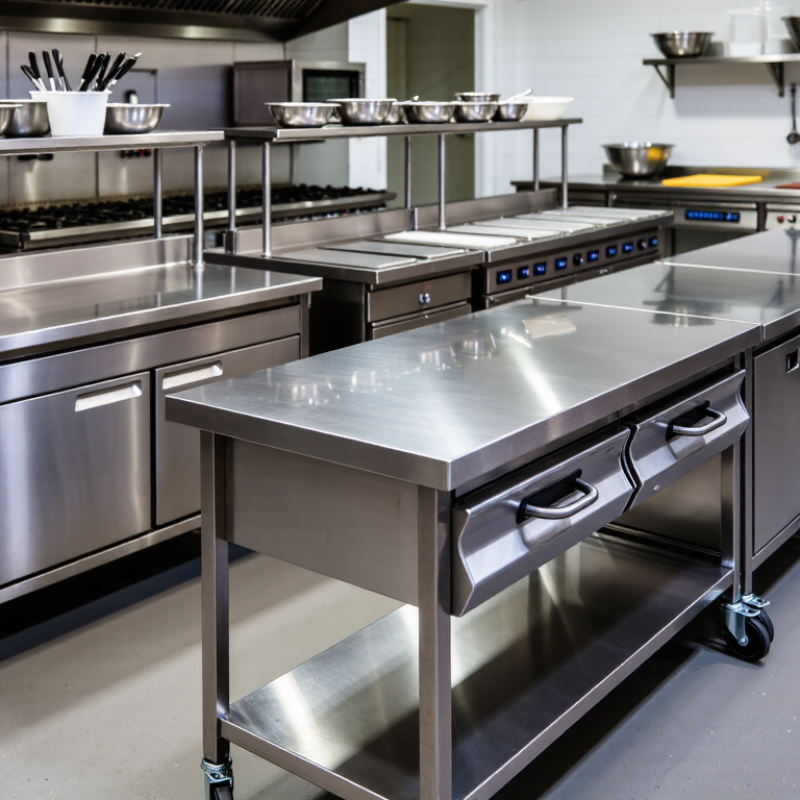
Top 10 Stainless Steel Restaurant Prep Tables to Buy

What Makes a Stainless Steel Restaurant Prep Table Essential

Top 10 Stainless Steel Restaurant Prep Tables to Buy

What Makes a Stainless Steel Restaurant Prep Table Essential

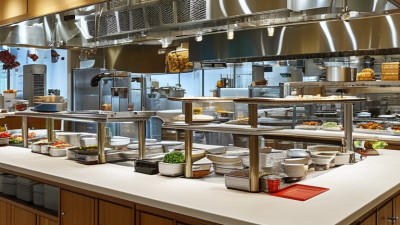
A stainless steel restaurant prep table is more than a flat work surface. It organizes ingredients, tools, and movement during busy service. Its nonporous surface resists absorbed odors and supports consistent cleaning routines. Rounded edges reduce trapped food particles, while adjustable feet help stabilize the table on uneven floors. A strong undershelf can hold mixing bowls, sealed containers, or frequently used pans. In practice, these details save seconds repeatedly.

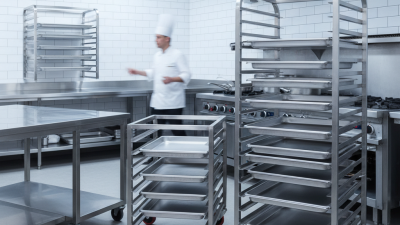
I once worked beside a table that looked sturdy but flexed under a loaded cutting board. It slowed preparation and made cleaning awkward. That experience changed how I judge equipment. Check the tabletop thickness, welded corners, load capacity, and leg strength. A built-in backsplash can protect walls from splashes, but it may limit placement options. Mobile kitchens may benefit from a Restaurant Prep Cart with locking casters. Fixed stations usually offer better stability.

Tips: Measure doorways and working clearance before ordering. Leave enough space for staff to turn safely. Choose a table that matches your cleaning chemicals and daily workload. Inspect casters, undershelves, and drain areas regularly. Small rust spots should not be ignored. Also, avoid overloading storage shelves, even when the frame feels exceptionally solid. I still prefer practical testing over attractive specifications, because real service exposes weaknesses quickly.

Key Features to Compare Before Buying a Prep Table

When comparing the top 10 stainless steel restaurant prep tables, start with the work your kitchen actually performs. A sandwich station needs a different layout from a pastry area. Measure wall clearance, doorway width, and staff movement before trusting a product listing.

Choose a 304 stainless steel work surface when frequent washing and acidic foods are expected. A smooth, polished top is easier to sanitize than a rough, poorly finished surface. Check the gauge, but do not judge strength by thickness alone. Reinforced undersides and secure legs often matter more during daily service.

Storage and temperature control deserve equal attention. Adjustable shelves should hold ingredient bins without flexing or blocking knee space. Drawers need full travel, quiet runners, and handles that do not collect grease. If the table includes refrigerated storage, compare temperature range, insulation, airflow, and energy use.

Ask how quickly it recovers after repeated door openings. A powerful unit may still disappoint if the compressor vibrates beside customers. Inspect welds, casters, leveling feet, backsplash, and edge seams in person when possible. I have seen attractive tables wobble because their feet were uneven, so stability deserves a hands-on check. A cheap-looking detail can become an expensive interruption.

Tips: Keep 10 centimeters between the table and a hot appliance when ventilation is required. Bring your largest pan to the showroom. Test the door swing. Leave room for cleaning tools, power cords, and future menu changes. Confirm delivery access and warranty terms in writing.

Top 10 Stainless Steel Restaurant Prep Tables Reviewed

This review compares ten Stainless Steel Prep Table models for busy restaurant kitchens. I examined worktop thickness, leg stability, undershelf space, casters, and cleaning access. A smooth, welded surface usually handles daily chopping better than a thin, flexible top. Stability matters.

The strongest tables stayed steady when dough was kneaded or a full mixing bowl was moved. Adjustable feet helped on uneven floors, while locking casters improved flexibility during deep cleaning. Some tables looked excellent but had sharp undershelf edges. That detail deserves attention. Table height also affected comfort, especially during long preparation shifts. A table with a backsplash contained splashes, yet it reduced usable wall space in compact kitchens. No option was perfect.

Tips: Measure your doorway, aisle, and available wall space before buying. Check the listed load capacity, then consider the weight of mixers and ingredient bins. Inspect welds, corners, and drain areas for places where food debris could collect. Choose a 304-grade stainless surface when frequent moisture and acidic ingredients are expected. For dry prep, a simpler design may offer better value. Read assembly instructions carefully; rushed installation can create wobble. I would also test the caster locks in person when possible. Specifications can sound reassuring, but real movement reveals weaknesses.

Top 10 Stainless Steel Restaurant Prep Tables to Buy – Top 10 Stainless Steel Restaurant Prep Tables Reviewed

Rank Reviewed Table Best For Overall Rating Width × Depth Work Height Steel Gauge Backsplash Undershelf Typical Load Capacity NSF-Listed Design Typical Price Range
1 72-Inch Heavy-Duty Prep Table High-volume commercial kitchens ★★★★★ 4.8/5 72 in × 30 in 34 in 18 gauge, 430 stainless steel top 5 in high, rear-mounted Adjustable lower shelf Up to 1,000 lb evenly distributed Yes $550–$850
2 60-Inch Two-Shelf Prep Table General food preparation ★★★★★ 4.7/5 60 in × 30 in 34 in 18 gauge stainless steel top 5 in high, rear-mounted Adjustable lower shelf Up to 900 lb evenly distributed Yes $420–$700
3 48-Inch Compact Prep Table Small restaurants and cafés ★★★★☆ 4.6/5 48 in × 24 in 34 in 18 gauge stainless steel top 5 in high, rear-mounted Adjustable lower shelf Up to 700 lb evenly distributed Yes $300–$520
4 72-Inch Open-Base Work Table Large-scale prep and plating ★★★★☆ 4.6/5 72 in × 30 in 34 in 16 gauge stainless steel top 5 in high, rear-mounted Open base with cross-bracing Up to 1,200 lb evenly distributed Yes $700–$1,050
5 36-Inch Galley Prep Table Food trucks and narrow kitchens ★★★★☆ 4.5/5 36 in × 24 in 34 in 18 gauge stainless steel top 4 in high, rear-mounted Adjustable lower shelf Up to 550 lb evenly distributed Yes $260–$450
6 60-Inch Refrigerated Prep Table Sandwich, salad, and pizza stations ★★★★☆ 4.5/5 60 in × 32 in 35 in 18 gauge stainless steel exterior Integrated raised rear edge Insulated refrigerated base Product pan capacity varies by layout Commercial sanitation design $1,800–$3,200
7 48-Inch Enclosed-Base Prep Table Clean, concealed storage ★★★★☆ 4.4/5 48 in × 30 in 34 in 18 gauge stainless steel top 5 in high, rear-mounted Two enclosed storage levels Up to 800 lb evenly distributed Yes $650–$1,000
8 30-Inch Under-Counter Prep Table Bars, kiosks, and limited spaces ★★★★☆ 4.3/5 30 in × 24 in 34 in 18 gauge stainless steel top 4 in high, rear-mounted Adjustable lower shelf Up to 450 lb evenly distributed Yes $220–$380
9 60-Inch Chef-Base Prep Table Equipment storage and heavy prep ★★★★☆ 4.3/5 60 in × 30 in 34 in 16 gauge stainless steel top 5 in high, rear-mounted Enclosed cabinet base Up to 1,000 lb evenly distributed Yes $900–$1,400
10 24-Inch Utility Prep Table Side stations and light-duty prep ★★★★☆ 4.2/5 24 in × 24 in 34 in 18 gauge stainless steel top 4 in high, rear-mounted Adjustable lower shelf Up to 400 lb evenly distributed Yes $180–$320

Best Prep Tables for Different Kitchen Sizes and Tasks

Top 10 Stainless Steel Restaurant Prep Tables to Buy

The best prep table depends on kitchen size, workflow, and the task performed most often. In a compact café, a 24-by-48-inch table can support chopping, plating, and small equipment without blocking movement. Choose adjustable legs and a lower shelf when storage space is limited. A raised backsplash also protects the wall from splashes.

Medium Kitchens

Medium kitchens benefit from 60-inch tables with drawers, undershelves, or an integrated sink. These options keep knives, pans, and containers close to the work surface.

Bakeries & Busy Kitchens

For bakeries, a deep, stable top handles dough and heavy mixers better than a narrow model. In busy kitchens, wider tables create separate zones for raw preparation and finished food. Keep those tasks physically apart whenever possible.

For large operations, 72-inch or longer tables can support multiple cooks, but poor placement may create traffic problems. Bigger is not always better.

Tips: Measure doorways first. Leave at least 36 inches for comfortable movement. Check welded corners, smooth surfaces, and corrosion-resistant hardware before buying. A table should not wobble when pressed. I once selected a beautiful unit with limited leg clearance, and cleaning underneath became frustrating. That mistake taught me to inspect maintenance access, not just appearance. Choose a galvanized or stainless undershelf according to moisture exposure and cleaning routines.

How to Match Table Design With Food Preparation Needs

Top 10 Stainless Steel Restaurant Prep Tables to Buy

How to Match Table Design With Food Preparation Needs

Choosing a Stainless Steel Food Prep Table starts with observing the work, not admiring the finish. Measure the available wall space, walking lanes, and equipment clearance. A 24-inch-deep table suits narrow prep areas, while a deeper surface supports mixing bowls and cutting boards. I once selected a table that looked efficient but blocked a refrigerator door. The mistake was measurable, not attractive.

Match the surface layout to the food being prepared. A smooth top works well for pastry, sandwich assembly, and vegetable cutting. Tables with drawers keep knives, thermometers, and towels close without crowding the worktop. An undershelf stores sealed containers, but it may reduce knee space. Consider a raised backsplash near sinks or walls. It limits spills and protects painted surfaces. Not every kitchen needs one.

Mobility matters during cleaning and menu changes. Locking casters help staff reposition a table, while adjustable feet provide steadier support for heavy equipment. Check the steel thickness, welded corners, load rating, and ease of cleaning. Sharp seams collect residue. That detail is easy to miss. Review local sanitation requirements before purchasing, especially for undershelves, splash guards, and food-contact surfaces. A practical design should support safe habits during the busiest service, not only look organized when the kitchen is empty.

Cleaning, Maintenance, and Long-Term Value Considerations

A stainless steel prep table earns long-term value through disciplined cleaning, not appearance alone. In busy kitchens, wipe spills quickly, especially around welds, undershelves, and drawer tracks. The 2022 FDA Food Code advises cleaning food-contact surfaces at intervals that prevent soil buildup and contamination. Follow that principle during every service period.

Use warm water, a mild detergent, and a soft nylon pad. Avoid chlorine-heavy or abrasive products unless the surface-care instructions permit them. Chlorides can encourage pitting, while steel wool leaves particles that rust later. For a Stainless Steel Prep Table Sink, rinse the basin, faucet joints, and drain opening thoroughly. Then dry them completely. Standing water is a small problem with expensive consequences.

Maintenance should include weekly checks beneath the table. Look for loose casters, cracked seals, blocked drains, and dark residue under equipment. NSF/ANSI 2 emphasizes cleanable surfaces and sanitary design for food equipment, making smooth welds and accessible corners practical buying criteria. The National Restaurant Association’s 2024 industry report projected more than 1 trillion dollars in U.S. restaurant sales, showing how heavily commercial equipment is used. High traffic magnifies minor neglect.

Replacement parts may cost less than full replacement. Still, not every table deserves repair. A warped top, spreading corrosion, or unstable frame can undermine sanitation and workflow. I have found that maintenance schedules often fail during peak weekends. That weakness deserves honest review. Keep a dated inspection log, even if the notes look imperfect.

Heavy-Duty Stainless Steel GN Pans: A Practical Guide for Efficient Commercial Kitchens

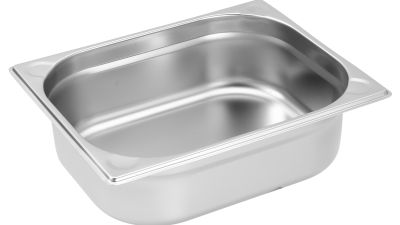
Heavy-duty stainless steel GN pans are essential tools for efficient commercial kitchens, where durability, hygiene, and space management directly affect daily performance. The 2024 UNEP Food Waste Index Report estimates that approximately 1.05 billion tonnes of food were wasted globally in 2022, with food-service operations responsible for about 28% of this total. Proper storage and handling can help reduce avoidable waste. A food-grade stainless steel GN pan supports organized ingredient storage, reheating, steaming, and buffet presentation while resisting rust, oxidation, and temperature changes in refrigerators, freezers, and steam equipment.

The FDA Food Code 2022 emphasizes that food-contact surfaces should be smooth, durable, corrosion-resistant, and easy to clean. Precision-formed GN pans with seamless inner walls help limit residue accumulation, making routine washing more efficient and supporting consistent sanitation practices. Standardized gastronorm dimensions also allow stable stacking and better use of shelving and refrigeration space, while available depths and sizes accommodate different preparation and serving volumes.

A reinforced rolled rim improves structural strength and helps prevent deformation during frequent handling. Careful polishing and inspection reduce surface imperfections, while shock-absorbing packaging helps protect pans from scratches and dents during delivery. For busy kitchens, these features support reliable workflows from preparation and cold storage to cooking, transport, and service.

FAQS

What should I check before buying a stainless steel prep table?

Measure doorways, aisles, and wall space first. Check height, load capacity, weld quality, corners, and drain areas. Specifications can sound reassuring. Real movement may reveal weaknesses.

Why does worktop thickness matter?

A thicker top usually resists flexing during chopping or dough kneading. Thin surfaces may move under heavy mixing bowls. Stability matters every day.

Are adjustable feet or locking casters better?

Adjustable feet help level tables on uneven floors. Locking casters support movement during deep cleaning. Test the locks if possible. Small hardware can cause large frustrations.

When is a backsplash useful?

A backsplash helps contain splashes behind the table. It may reduce usable wall space in compact kitchens. Measure carefully before choosing one.

What stainless steel grade suits wet preparation?

A 304-grade surface suits frequent moisture and acidic ingredients. Dry preparation may need only a simpler design. The cheapest option is not always the best value.

How should I clean the table during busy service?

Wipe spills quickly around welds, undershelves, and drawer tracks. Use warm water, mild detergent, and a soft nylon pad. Do not let residue build up.

What cleaning products should I avoid?

Avoid steel wool and harsh abrasive products. Steel particles can cause later rust. Chloride-heavy cleaners may encourage pitting. Always check care instructions.

How can I maintain a prep table long term?

Inspect casters, seals, drains, and hidden areas weekly. Dry sinks and drain openings completely after rinsing. Keep dated inspection notes, even when they look imperfect.

When should a table be repaired or replaced?

Replace or reconsider repair when the top is warped, corrosion spreads, or the frame becomes unstable. Replacement parts may cost less. Yet sanitation and workflow come first.

Conclusion

A Stainless Steel Restaurant Prep Table is an essential part of an efficient commercial kitchen, providing a durable, hygienic, and organized surface for chopping, mixing, plating, and storing ingredients. This guide explains the key features to compare before buying, including table size, worktop thickness, undershelf capacity, adjustable legs, drawer options, mobility, and resistance to corrosion and heavy daily use. It also reviews ten practical table configurations to help readers identify suitable choices for different budgets, kitchen layouts, and preparation tasks.

The guide further matches table designs with specific food preparation needs, from compact workstations for small kitchens to spacious setups for busy cooking areas. It also covers cleaning routines, surface care, sanitation practices, and maintenance tips that help preserve performance and extend service life. By considering workflow, available space, storage requirements, and long-term value, kitchen operators can select a prep table that improves organization, supports food safety, and delivers dependable performance over time.
Isabella

Isabella

Isabella is a dedicated marketing professional with over three decades of experience in the stainless steel cookware industry. Her extensive knowledge and passion for high-quality cookware have made her an invaluable asset to her company. Isabella plays a crucial role in refining the company's......
Previous What Are the Top China Horeca Food Pans?