Committed to creating high-performance stainless steel composite cookware.

Leave Your Message
0%

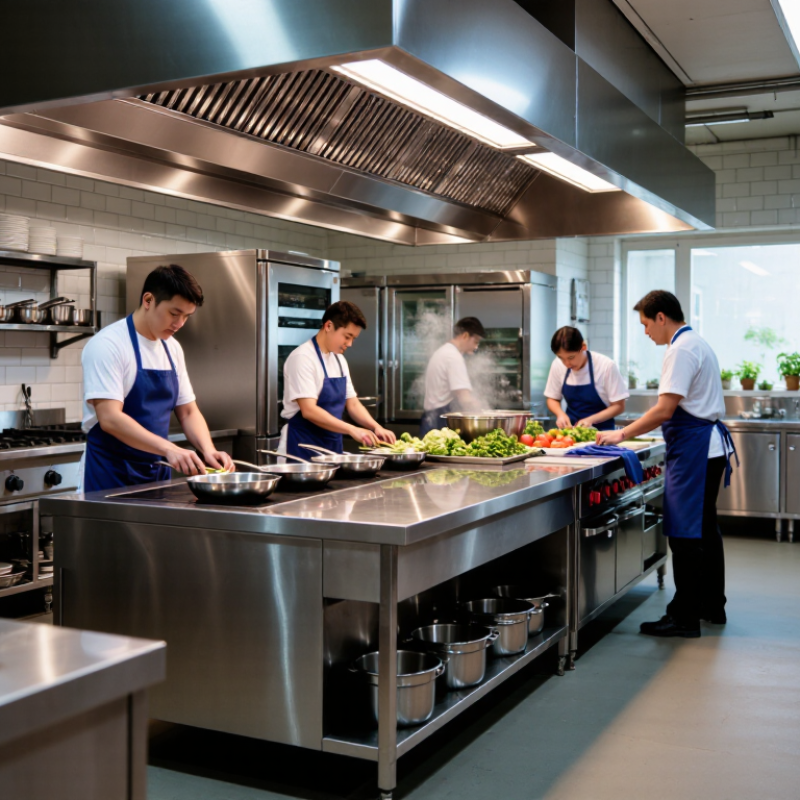
A busy kitchen really puts every work surface through the wringer. You've got knives tapping away, hot pans leaving those telltale rings, and staff constantly wiping down spills between orders. That's where a stainless commercial table shines—it gives you a durable, nonporous surface that can take this daily abuse. But here's the thing: stainless steel alone doesn't guarantee food safety. Design, fabrication, cleaning, and maintenance all play a big part too.

Here’s a quick look at the numbers: the National Restaurant Association’s 2024 State of the Restaurant Industry projected U.S. restaurant and foodservice sales at $1.1 trillion. At that scale, it just makes sense to invest in kitchen infrastructure you can rely on. The FDA Food Code, for its part, says food-contact surfaces need to be smooth, durable, and easy to clean. And NSF/ANSI 2? It lays out its own set of requirements for commercial food equipment. You know, neither of those standards really forces you to go with stainless steel across the board. So it's worth looking at the whole table design—welded seams, undershelves, adjustable feet, all of it. Little things can make a big difference.

Cornell food-safety microbiologist Martin Wiedmann definitely knows his stuff when it comes to keeping contamination out of food systems. His work points to a key principle: whether something is truly cleanable depends on the entire process, not just the surface material. I’ll be honest — I couldn’t find a specific, published quote from him about stainless steel tables, so I’m not going to make one up. If you're comparing a Commercial Stainless Steel Prep Table, the real question you should be asking is whether its finish, construction, and layout can actually handle the daily cleaning routine in a real kitchen. Stainless steel is a solid choice, sure—but it's not exactly maintenance-free. You still have to stay on top of it.
Why Choose a Stainless Steel Commercial Table?

What Is a Stainless Steel Commercial Table?

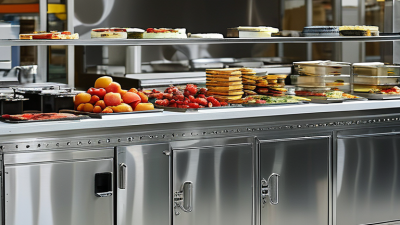
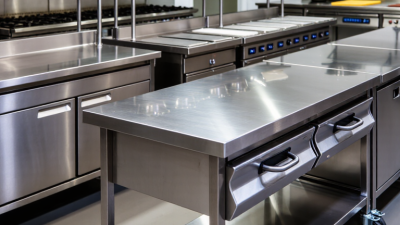
A stainless steel commercial table is a work surface built for frequent use in kitchens, cafés, laboratories, and other busy work areas. It usually has a stainless steel top supported by legs, with optional shelves, a backsplash, or adjustable feet. The term Commercial Grade Stainless Steel Table describes equipment intended for regular service, not one universal thickness or specification. Check the product details before buying. Stainless steel resists rust and is straightforward to wipe clean, but it is not stain-proof. Salt, harsh cleaners, and standing moisture can still mark the surface over time.

Tips: Match the table size to your workflow and allow room for cleaning around the legs. Check the stated load capacity, weld quality, and whether the feet adjust on uneven floors. Dry the surface after washing. Small habits matter.

In a working kitchen, a stable table helps keep chopping boards, mixing bowls, and tools within reach. A raised backsplash can help protect the wall, while an undershelf provides space for containers or supplies. These features are useful only when they fit the task; an extra shelf can also make floor cleaning awkward. Consider how the table will be cleaned, moved, and loaded each day. Stainless steel is practical, but choosing the right dimensions and construction takes more thought than simply picking a shiny surface.

How Stainless Steel Supports Hygiene and Food Safety

Why Choose a Stainless Steel Commercial Table?

How Stainless Steel Supports Hygiene and Food Safety

A Commercial Prep Table gives staff a smooth, durable surface for portioning ingredients and preparing meals. The FDA Food Code 2022 calls for food-contact surfaces that are smooth, durable, and easily cleanable. Stainless steel can meet these needs when properly fabricated and maintained. But metal is not self-cleaning. Food residue can still collect around seams, joints, and damaged areas.

The CDC estimates that about 48 million people in the United States get sick from foodborne illness each year; 128,000 are hospitalized and 3,000 die. These estimates make routine cleaning a practical safety measure, not just a matter of appearance. Wash, rinse, and sanitize the table according to product directions and local requirements. Keep raw ingredients separate from ready-to-eat foods. Stainless steel can scratch or corrode, so inspect the surface and repair deep damage. Small details matter.

Tips: Keep sanitizer test strips nearby. Clean table edges and undersides, too. Check seams during each cleaning.

Sources: FDA Food Code 2022; CDC, Estimates of Foodborne Illness in the United States.

Why Durability Matters in Commercial Workspaces

In a commercial kitchen, a worktable takes more than a few knocks. Stockpots scrape across its surface, wet towels sit between tasks, and staff may lean on the edge during a rush. Stainless steel handles these routines well because its smooth, nonporous surface is easy to wipe down and does not absorb spills. It also resists rust when cleaned and dried properly. That matters.

Durability is not just about avoiding replacement costs. A stable table helps keep prep tools, ingredients, and pans where workers expect them. Check the frame, legs, and welded joints, not only the tabletop. A thin top can flex under heavy equipment, while loose feet can make chopping awkward. Small details count. Even a sturdy table can dent, and stainless steel is not maintenance-free.

For a useful comparison, consider what the table will support each day. A Commercial Steam Table Pan, for example, may be moved repeatedly across a busy serving area, so the surrounding work surface should stay steady and easy to clean. In my view, “heavy-duty” labels alone tell you little; inspect the table’s construction and load guidance. I would also allow room for routine cleaning, since cramped corners tend to collect grime. That part is easy to overlook.

Why Choose a Stainless Steel Commercial Table?

Why Durability Matters in Commercial Workspaces

Stainless steel grades 304 and 316 have a higher minimum tensile-strength requirement than grade 430 under ASTM A240/A240M. Tensile strength describes resistance to pulling; it is not a table’s load rating, which also depends on its thickness, frame, welds, and design.

Source: ASTM A240/A240M minimum mechanical requirements for plate, sheet, and strip. Values shown in MPa.

Where Stainless Steel Tables Are Commonly Used

Stainless steel tables are common in restaurant kitchens, bakeries, cafeterias, and food-processing rooms. Staff use them to trim vegetables, portion dough, assemble meals, and stage clean trays beside dishwashers. The National Restaurant Association’s 2025 State of the Restaurant Industry report projected U.S. restaurant and foodservice sales of $1.5 trillion and 15.7 million jobs. That scale helps explain the need for work surfaces that tolerate frequent use. Busy kitchens need practical surfaces.

For food-contact areas, the FDA Food Code describes suitable surfaces as durable, smooth, and nonabsorbent, with materials that can be effectively cleaned. Stainless steel can meet these needs when the table is properly selected and maintained. In hospitals and laboratories, stainless worktables also support equipment setup and routine handling, though chemical compatibility and cleaning protocols still matter. A table alone cannot ensure sanitation. Scratches, seams, and neglected undersides can complicate cleaning, so inspection and upkeep are part of the choice. The detail is easy to miss.

How to Choose the Right Table for Your Operation

Choosing a Commercial Kitchen Prep Table starts with the work it must support, not its shine. Measure the available floor space, including room for doors, carts, and staff to pass. Note whether the table will hold a mixer, cutting boards, or ingredient bins. A stainless steel surface is easy to wipe and suits busy prep areas, but grade, thickness, and construction vary. Match these details to daily loads and cleaning routines.

Tips: Check shelf height with your actual bins. Look for smooth edges and sturdy, adjustable legs. A table that wobbles on tile becomes irritating fast. Leave clearance for cleaning underneath. Measure twice.

Before ordering, check the listed weight capacity and whether it applies evenly across the tabletop. Decide if an undershelf, backsplash, or lockable casters will genuinely help. Casters make a table easier to move, though they may reduce stability on uneven floors. A fixed table can work better near a wall. I have seen plans change once equipment arrives; rechecking measurements feels tedious, but it can prevent an awkward, crowded station.

How to Maintain a Stainless Steel Commercial Table

Daily care is simple, but consistency matters. After food preparation, remove crumbs and wipe away grease before it dries. Use warm water, a little mild detergent, and a soft cloth. Wipe in the direction of the steel’s grain. Rinse off soap, then dry the surface with a clean towel. That last step helps prevent water spots. It is easy to skip during a busy shift, but dried marks can make a clean table look neglected. Clean spills around edges and joints, where residue can collect.

For stubborn residue, let a damp cloth sit on it briefly, then wipe gently. Avoid steel wool, harsh scouring pads, and abrasive powders; they can scratch the finish. Some bleach and chloride-based cleaners may damage stainless steel, so check product directions before use. When sanitizing is required, choose a product labeled for food-contact surfaces and follow its contact-time and rinsing instructions. Inspect legs, welds, and undersides regularly, too. A table can look spotless on top while grime gathers below. Stainless steel is durable, not indestructible, and careful daily habits matter.

High-Capacity Stainless Steel Dough Buckets: A Commercial Guide Informed by Grand View Research’s Kitchen Equipment Market Report

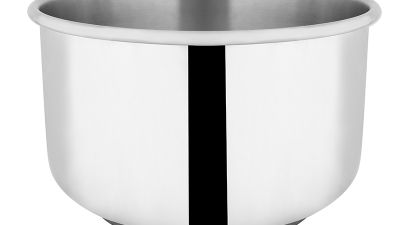
Commercial kitchens depend on equipment that supports consistent output, efficient workflows, and reliable sanitation. Grand View Research’s Kitchen Equipment Market Report provides a wider context for evaluating these operational needs, while the right dough-handling tools should be selected according to production volume, mixer compatibility, durability, and ease of cleaning. For bakeries, restaurants, and institutional kitchens preparing large batches, a high-capacity stainless steel dough bucket can help streamline mixing and kneading.

Made from food-grade stainless steel, this bucket is designed to resist rust and corrosion without affecting the flavor of dough ingredients. Its thickened construction stands up to demanding daily use and repeated high-speed mixing, helping reduce damage and replacement needs over time. A smooth, polished interior helps prevent dough from clinging to hard-to-clean corners, making routine washing more straightforward and supporting hygienic food preparation. Before purchasing, operators should check the bucket’s capacity and dimensions against their commercial mixer or kneader to ensure a secure fit and stable operation. With suitable compatibility and robust construction, it can support uniform dough processing and efficient production in busy food-service settings.

FAQS

Why is stainless steel suitable for food preparation tables?

Its smooth, nonporous surface is easy to wipe and does not absorb spills. Properly made and maintained, it supports hygienic food preparation.

Does stainless steel clean itself?

No. Food residue can collect around seams, joints, and damaged spots. Check those areas while cleaning.

How should a preparation table be cleaned?

Wash, rinse, and sanitize it according to product directions and local requirements. Drying it properly also helps prevent rust.

What small cleaning details are easy to miss?

Clean the edges and underside, not only the tabletop. Keep sanitizer test strips nearby. They are easy to forget.

How can a kitchen reduce cross-contamination on the table?

Keep raw ingredients separate from ready-to-eat foods. Use clean tools and sanitize the surface between tasks.

What should staff inspect for damage?

Look for deep scratches, corrosion, dents, loose feet, and damaged joints. Repair serious surface damage; a quick wipe may not be enough.

How can you tell if a table is sturdy enough?

Check the frame, legs, welded joints, and load guidance. A thin tabletop may flex under heavy equipment.

Why does table stability matter during busy work?

A steady table helps keep pans, tools, and ingredients in place. Loose feet can make chopping awkward. That matters.

Conclusion

A Stainless Commercial Table is a practical work surface designed to meet the demands of busy kitchens and other commercial workspaces. Its smooth, nonporous surface is easy to clean, helping teams maintain hygienic food-preparation areas and reduce the buildup of spills and residue. Stainless steel also offers dependable resistance to everyday moisture, heat, and wear, making it a durable choice for environments where equipment is used frequently.

These tables are commonly found in restaurants, catering facilities, bakeries, and food-processing areas. Choosing the right one means considering the available space, required work surface, weight capacity, storage needs, and the tasks it will support. Regular maintenance is straightforward: clean the surface with suitable products, wipe away food and moisture promptly, and avoid abrasive tools that could cause scratches. With an appropriate size and consistent care, a stainless steel commercial table can support an efficient, organized workspace over time.
Isabella

Isabella

Isabella is a dedicated marketing professional with over three decades of experience in the stainless steel cookware industry. Her extensive knowledge and passion for high-quality cookware have made her an invaluable asset to her company. Isabella plays a crucial role in refining the company's......
Previous 2026 Top Commercial Prep Table Types for Global Buyers?