Committed to creating high-performance stainless steel composite cookware.

Leave Your Message
0%

When you're on the hunt for the best Induction Pot for wholesale, it's not just about comparing prices. There's a lot more to consider — like actually testing the pots, ensuring a steady supply, and understanding the exact specs. Sure, a pot might look super sleek in photos, but if it flops in a busy kitchen, that’s a big deal. That little difference can make or break your experience.

People who've been around the block tend to look at things like the base structure, how quickly it heats up, wall thickness, handle sturdiness, and the overall finish. Also, it’s smart to check if it works well with various induction cookers on the market. Consistent, even heating is key — it helps prevent burning sauces or uneven cooking. A flat, well-made bottom that touches the cooking surface evenly makes all the difference. So, yeah, those small details really add up.

When buying wholesale, repeatability is crucial. Making sure the quality stays the same across batches is a must. Before dropping a big order, always ask for samples. Test them with water, oil, or even heavier ingredients. See how the handles hold up after some extended heating, and don’t forget to pay attention to packaging — damaged corners or rough edges can cause losses during shipping.

A trustworthy manufacturer should provide info about materials, inspection reports, and realistic timelines. If they make claims, they should back them up with evidence, not just pretty words. Someone who’s ready to answer your technical questions clearly usually makes managing the relationship easier. But hey, no one’s perfect. Even the best suppliers might have delays or occasional inconsistent batches, so it’s good to keep that in mind and plan accordingly.

And one more thing — the cheapest option isn’t always the best. You want a pot that balances durability, performance, looks, safety, and your profit margins. Think about your target market — restaurant suppliers might need bigger sizes and stronger handles, while retail distributors might care more about packaging and how attractive the product looks. Doing a careful comparison helps you feel more confident in your purchase and reduces the chances of costly surprises down the line.
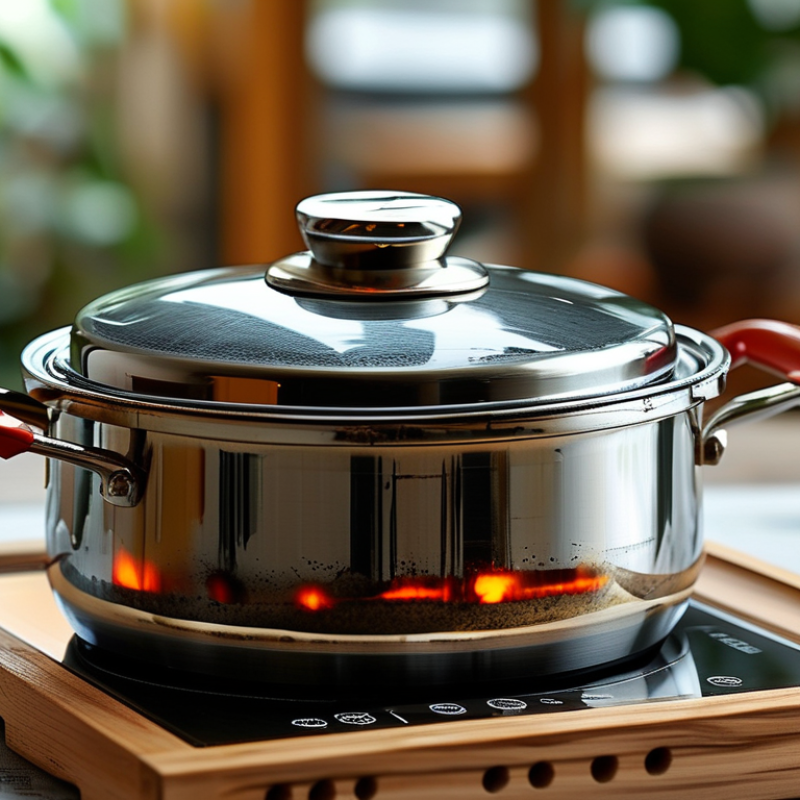
What Is the Best Induction Pot for Wholesale Buyers?

What Makes a Pot Suitable for Induction Cooking?

What Is the Best Induction Pot for Wholesale Buyers?

What Makes a Pot Suitable for Induction Cooking?

A suitable induction pot needs a magnetic cooking base. Test it with a small magnet. If it grips firmly, the base likely contains ferromagnetic material. However, magnetism alone is not enough. The pot should have a flat, stable bottom that touches the cooking zone evenly.

Base diameter also matters. A narrow base may heat slowly or unevenly. A 20-centimeter pot should match a similar-sized induction zone.

Thick, layered bases usually distribute heat better and reduce hot spots. They also resist warping during repeated commercial use.

Still, thicker is not always better. Excess weight can increase shipping costs and make daily handling tiring.

The U.S. Department of Energy reports that induction cooking transfers about 85% of energy to cookware, compared with roughly 75% for conventional electric cooking. Its Energy Saver guidance also states that induction is about three times more efficient than gas cooking. These figures support demand for induction-ready cookware, but buyers should inspect real samples before placing wholesale orders. Check heating speed, base flatness, handle strength, and performance after repeated heating cycles.

Look for clear compatibility markings.

A questionable detail remains: magnetic performance can vary across different cooktops. Wholesale specifications should therefore include tested cookware samples, not only material descriptions. Stainless steel may work, but some grades are non-magnetic. Supplier claims need verification.

Which Materials and Base Designs Improve Induction Performance?

For wholesale buyers, an Induction Soup Pot should be judged by its base, not its appearance alone. Magnetic stainless steel is essential because induction cooktops heat ferrous metal directly. A stainless-steel body with an aluminum core can spread heat more evenly. Copper improves conductivity, but it needs a suitable magnetic outer layer.

A flat, fully encapsulated base usually performs better than a thin magnetic patch. It supports stable contact with the cooking surface and reduces uneven heating near the pot’s edges. Look for a base that stays level after repeated heating and cooling. A warped base wastes energy and may create hot spots in thick soup. Larger pots also need enough magnetic coverage beneath the center and outer cooking area.

Tips: Test sample pots with a magnet, then boil a measured amount of water. Check heating speed, noise, handle temperature, and base movement. A magnet test helps, but it is not enough. In practical wholesale checks, small design faults often appear after several cycles, not during the first demonstration. Ask for material specifications, base thickness, and induction compatibility records. Some suppliers use impressive material terms without explaining the actual layer structure. That deserves a second look. Even a well-designed pot may perform poorly if the base is slightly uneven or the cooktop ring is too small.

How Do Pot Size, Capacity, and Shape Affect Wholesale Demand?

Wholesale buyers should treat pot dimensions as demand signals, not simple specifications. The U.S. National Restaurant Association projected restaurant sales above $1 trillion in 2024. That scale rewards versatile cookware, but kitchens still need different capacities. A 4-quart pot suits sauces, grains, and small service batches. An 8-quart model fits family meals and compact catering. Larger 16-quart Stock Pot Induction models support soups, blanching, and high-volume preparation.

Diameter affects purchasing more than many catalogs admit. A wide base heats faster and offers better access for stirring. However, it may occupy two induction zones or crowd a narrow worktop. Tall pots save shelf space and reduce splashing, yet they can heat unevenly near the upper walls. The U.S. Department of Energy reports induction cooking transfers about 85% of energy to cookware, compared with roughly 32% for gas. Buyers should still check base diameter, magnetic compatibility, and flatness.

Wholesale demand often favors nesting sets because storage costs matter. A practical range might include 4, 8, and 16 quarts, but local menus can overturn that assumption. I have seen buyers choose deep pots for volume, then regret difficult cleaning and awkward lifting. That detail matters. The best shape is not always the largest one. Procurement teams should test filled weight, lid clearance, handle temperature, and pallet efficiency before placing a large order.

What Features Determine Durability and Commercial Kitchen Value?

For wholesale buyers, the best induction pot is not simply the cheapest unit. Its commercial value depends on steel thickness, heat response, and daily handling. A well-made Induction Sauce Pot should sit flat on the cooktop. That contact spreads heat evenly and reduces unstable simmering. Check the base carefully. A warped bottom creates hot spots, wasted energy, and inconsistent sauces.

Durability begins with construction details that survive busy service. Look for a corrosion-resistant body, reinforced rim, and firmly attached handles. Handles should remain secure when staff lift a full pot with wet gloves. A thick base also resists dents from shelving, sinks, and repeated transport. However, heavier is not always better. Excess weight can slow preparation and strain workers during high-volume cooking. This detail is easy to overlook. Ask suppliers for heat-cycle records, load tests, and clear care instructions.

Commercial kitchens also need practical capacity and easy cleaning. Choose sizes that match batch volume without crowding induction zones. A rounded interior helps staff scrape sauces from the edges. A polished surface may look impressive, but scratches can reveal poor finishing. Inspect sample pots after repeated heating, washing, and stacking. Some weaknesses appear only after weeks of use. Wholesale decisions should consider replacement rates, warranty support, and consistent production quality. Reliable matters more than perfect.

How Should Wholesale Buyers Compare Safety, Maintenance, and Usability?

What Is the Best Induction Pot for Wholesale Buyers?

Wholesale buyers should compare safety, maintenance, and usability before judging price. A reliable induction pot needs a flat, magnetic base for steady heating. Test samples on several induction cookers, not just one showroom model. Uneven contact can cause slow heating and unexpected hot spots. Small details matter.

Check the handle temperature after boiling water for ten minutes. Handles should stay firm, balanced, and comfortable with wet hands. A tight lid reduces splashing, while a visible steam outlet can improve control. Ask suppliers for material details and recognized safety test records for the target market. Do not rely on attractive packaging alone.

Maintenance affects long-term wholesale value. Smooth interiors resist food buildup and clean more quickly. Inspect welds, rivets, rims, and the joint between the pot and base. These areas often reveal weak production quality.

Dishwasher claims need practical testing because repeated cycles may dull surfaces or loosen fittings. I once assumed thicker metal always meant better performance. It did not. A heavy pot can be difficult for older users and costly to ship. Stackability, carton protection, and clear care instructions also influence returns. Buyers should record test results from repeated heating, washing, and handling. Real use exposes weaknesses that product sheets often miss.

Which Supplier, Certification, and Cost Factors Guide Bulk Purchasing?

For wholesale buyers, an Induction Ready Stock Pot should be judged beyond its polished surface. A reliable supplier can provide batch samples, factory details, and traceable material records. Ask whether the pot uses food-contact stainless steel with consistent thickness. A thin base may heat quickly but warp under daily commercial use. Request induction tests with several cookers, not only one showroom model. The supplier should also explain lid fit, handle welding, volume tolerance, and carton protection. Small details become expensive at container scale.

Certification must match the sales destination and product claims. Request current food-contact reports, material declarations, and test results from an independent laboratory. Check the report number, testing scope, production material, and expiry date. A certificate copied from another product is a warning sign. Supplier audits can reveal more than a sales brochure. Look for controlled welding areas, final inspection records, and a clear process for defective units. It is not perfect, but documented control is safer than promises.

Cost comparison should include unit price, minimum order quantity, tooling, testing, packaging, freight, duties, and replacement rates. A low quotation may hide weak cartons or inconsistent polishing. Ask for a landed-cost sheet with realistic quantities. One missed factor can erase the margin. Buyers should negotiate staged payments and a pre-shipment inspection, especially for first orders. I would also reserve budget for a small pilot shipment; it may delay the launch, but it exposes problems before a full container arrives.

What Is the Best Induction Pot for Wholesale Buyers?

A practical 100-point wholesale scorecard for comparing induction pots by safety compliance, cooking performance, landed cost, supply reliability, and after-sales risk.

Certification should cover applicable food-contact and electrical-safety requirements in the destination market. For bulk purchasing, buyers should also verify induction compatibility, base flatness, wall thickness, MOQ, sample approval, packaging performance, and warranty terms before placing an order.

The Ultimate Guide to Premium China Stainless Steel Soup Pots for Hotels and Professional Kitchens

Premium China stainless steel soup pots are an essential choice for hotels, restaurants, catering operations, and professional kitchens that require dependable performance. Made from high-grade SS304 stainless steel, these pots offer excellent durability, corrosion resistance, and everyday hygiene. The mirror-polished surface maintains a bright, professional appearance, while the sturdy bucket-style design supports frequent use for preparing soups, stews, sauces, chili, pasta, and large quantities of stock.

A multi-layer encapsulated base promotes fast, even heat distribution and helps prevent hot spots, allowing chefs to simmer, boil, or brown ingredients with greater control. The pot features two securely riveted side handles for balanced lifting and safe pouring, even when preparing substantial batches. A tight-fitting tempered glass lid helps retain heat, moisture, and flavor while allowing kitchen staff to monitor cooking progress without constantly removing the cover.

Available in multiple sizes, this commercial-grade soup pot can accommodate everything from family meals to busy catering events. As a factory-direct product from China, it combines professional construction with practical value, making it a reliable investment for kitchens that prioritize efficiency, strength, and consistent cooking results.

FAQS

: Which base design improves induction heating?

: Choose a flat, fully encapsulated magnetic base. It usually heats more evenly than a thin magnetic patch. The base should remain level after repeated heating and cooling. A warped base wastes energy and creates hot spots. Looks can mislead.

Which materials support reliable induction performance?

Magnetic stainless steel allows direct induction heating. An aluminum core can spread heat across the base. Copper improves conductivity when paired with a magnetic outer layer. Ask for the complete layer structure, not impressive material names.

How should buyers test induction cookware samples?

Test each sample with a magnet before heating. Then boil a measured amount of water. Record heating time, sound, handle temperature, and base movement. Repeat the test several times. One demonstration is insufficient.

What pot capacities suit different wholesale customers?

Four-quart pots suit sauces, grains, and small batches. Eight-quart pots work for family meals and compact catering. Sixteen-quart pots support soups and larger preparation volumes. Local menus may change this range. Bigger is not always better.

How do diameter and shape affect practical use?

Wide bases heat efficiently and provide room for stirring. However, they may crowd narrow worktops or multiple cooking zones. Tall pots save storage space but may heat unevenly near the upper walls. Check lid clearance and cleaning access. Shape creates trade-offs.

Are nesting sets useful for wholesale purchasing?

Nesting sets can reduce storage space and packaging volume. A practical set might include four, eight, and sixteen quarts. Still, buyers should check filled weight and lifting comfort. Deep cookware may hold more but become awkward to clean. That regret is common.

What supplier documents should bulk buyers request?

Request material specifications, batch samples, and traceable production records. Ask for food-contact reports and induction tests from independent laboratories. Check report numbers, testing scope, materials, and expiry dates. A copied certificate deserves careful review. Paperwork is not proof alone.

Which costs belong in a wholesale comparison?

Compare unit price, minimum order quantity, tooling, testing, and packaging. Include freight, duties, inspection, and possible replacement rates. Weak cartons can damage an apparently cheap order. Request a realistic landed-cost sheet. Margins disappear quickly.

Should buyers arrange a pilot shipment?

A small pilot shipment can reveal defects before full production. Inspect welding, polishing, lid fit, handles, cartons, and base flatness. The delay may feel inconvenient. It may prevent a larger loss. Our first assumption can be wrong.

Conclusion

Choosing the best Induction Pot for wholesale buyers requires more than comparing price and appearance. A suitable pot should have a flat, magnet-responsive base that transfers heat evenly and works efficiently with induction cooktops. Materials such as stainless steel, layered metal, or reinforced aluminum can improve heating performance, while practical sizes, capacities, and shapes should match the needs of households, restaurants, and commercial kitchens. Stackable designs and versatile dimensions can also increase market appeal.

Durability is equally important, so buyers should evaluate wall thickness, handle strength, lid fit, scratch resistance, and performance under frequent use. Safety features, easy cleaning, balanced weight, and comfortable handling can reduce maintenance costs and improve user satisfaction. For bulk purchasing, buyers should compare supplier reliability, production consistency, customization options, packaging, lead times, and transparent pricing. Quality certifications and inspection procedures can further support dependable sourcing, helping wholesalers select products that offer long-term commercial value.
Isabella

Isabella

Isabella is a dedicated marketing professional with over three decades of experience in the stainless steel cookware industry. Her extensive knowledge and passion for high-quality cookware have made her an invaluable asset to her company. Isabella plays a crucial role in refining the company's......
Previous Top Tips for Choosing the Best Bussing Cart for Your Needs?