Committed to creating high-performance stainless steel composite cookware.

Leave Your Message
0%

These days, global catering is definitely getting more mobile, efficient, and focused on quality. According to the 2024 Fortune Business Insights report, the worldwide foodservice equipment market was valued at around $34.92 billion in 2023, and it looks like it’s still on the rise through 2032. Basically, this growth means there’s a bigger demand for dependable hot beverage equipment, like those catering tea urns you might have seen or heard about.

Tea service is still a pretty big deal in the commercial scene. Data from FAOSTAT shows that worldwide tea production has been over six million tonnes a year in recent times. And Euromonitor International points out that tea remains a resilient beverage choice across hospitality, workplaces, and events. But, and here’s the catch, demand isn’t the same everywhere. Expectations for tea equipment in hotels in Dubai are different from those at conference centers in London or outdoor caterers in Singapore.

Choosing the right gear really depends on the specific service conditions. For instance, stainless steel urns are great if you need something that can handle frequent cleaning and heavy use every day. Insulated models are perfect for keeping hot drinks at the right temperature during long, busy events. Electric urns give you more predictable heating, while manual-fill options might be better in places where power supply is limited. Capacity also matters—like, a 10-liter urn might work for small meetings, but a huge banquet probably needs something in the 40-liter range.

That’s why it pays to compare products carefully. Things like how fast the urn reheats, how well it keeps drinks hot, tap design, safety features, voltage compatibility, and how easy it is to find replacement parts should all be on your checklist. And don’t forget, certifications are important too—make sure they’re valid for the country where you’ll be using the equipment. A fancy spec sheet is not enough; real-world experience often uncovers issues like slow dispensing or tricky cleaning around the lid that you wouldn’t notice just by reading specs.

Overall, the market’s definitely expanding, but the needs vary quite a bit. To help out, this piece will walk you through the top catering tea urn options for 2026, sharing both market insights and practical tips for grabbing the right gear worldwide.
2026 Top Catering Tea Urn Types for Global Buyers

What a Catering Tea Urn Is and How It Works

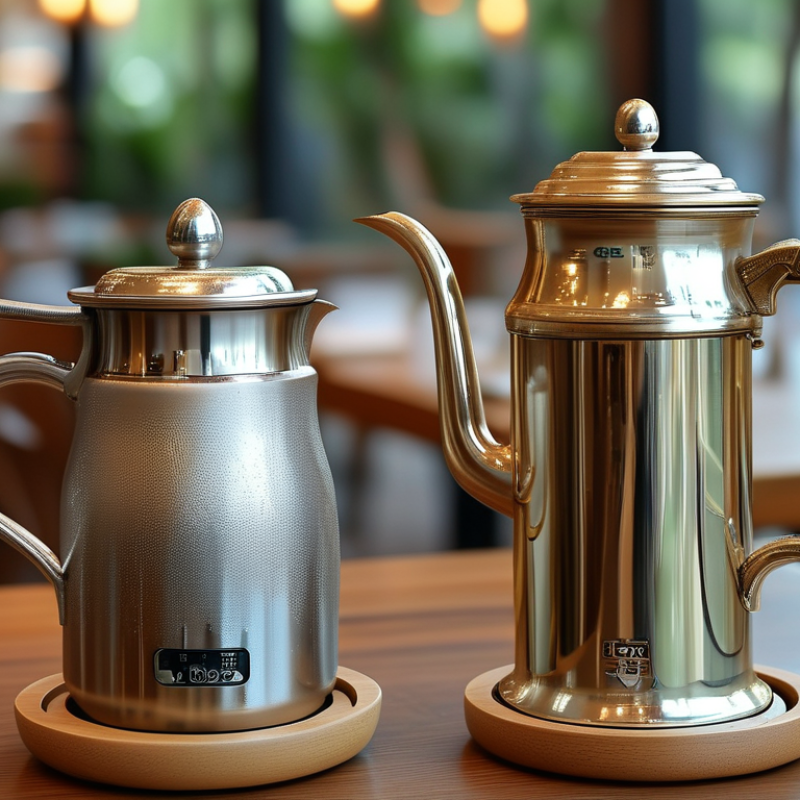
A catering tea urn is a large beverage vessel designed to brew, heat, and dispense tea for groups. It usually contains a stainless-steel tank, lid, heating element, thermostat, and serving tap. Electric models maintain temperature through controlled heating. Insulated models rely on thermal retention instead. Some catering kitchens use gas-heated urns, but local safety rules must be checked carefully.

The working process is simple. Water heats inside the tank, while tea leaves sit in an infuser basket or separate brewing chamber. The thermostat cycles power to prevent constant boiling. A tap then releases tea into cups without opening the lid. For a busy Hotel Tea Urn, practical details matter: a wide opening supports cleaning, a clear gauge shows capacity, and a stable base reduces spills. Small design choices affect service speed.

The Food and Agriculture Organization reported global tea production at roughly 6.5 million tonnes in 2022, showing the scale behind commercial tea service. Industry equipment reports also identify energy efficiency, stainless-steel construction, and automated temperature control as important catering trends. Yet specifications can mislead. A larger urn is not always better. Oversized tanks may hold tea too long, creating bitterness and wasted energy. In real service, operators should test recovery time, tap flow, and cleaning access before purchase. Some assumptions still need questioning.

Main Catering Tea Urn Types Available in 2026

In 2026, catering buyers can choose from several practical tea urn types. The most common is the electric countertop tea urn. It suits hotels, cafés, meeting rooms, and buffet stations with reliable power. Adjustable thermostats help maintain serving temperature without constant reheating. A clear water gauge also makes refilling easier during busy periods.

Large-volume tea boilers serve conferences and wedding venues. They often include insulated bodies, sturdy handles, and a drip-resistant tap. For mobile catering, vacuum-insulated urns reduce heat loss and need no continuous power. Some models support induction heating, which can simplify service in flexible kitchens. A Horeca Tea Urn with dual temperature controls may work well for green tea and black tea stations. However, buyers should check heating recovery time, not only the advertised capacity.

Details matter. Stainless steel food-contact surfaces are easier to inspect and clean. Removable lids can reduce residue around the rim. I have found that a 10-liter urn may feel excessive in a small café, while a 5-liter model empties too quickly at a conference. Capacity estimates are often imperfect. Test the real service pattern before ordering. Operators should also verify electrical ratings, tap height, drainage space, and applicable safety requirements. A polished exterior looks useful, but stable temperature and easy cleaning matter more. Some buyers overlook the tap mechanism until the first crowded breakfast service. That mistake is avoidable.

Capacity, Heating Methods, and Dispensing Systems Compared

For global catering buyers, capacity should follow service rhythm, not appearance. A 5–8 litre tea urn suits meetings and short receptions. A 10–20 litre model fits busy buffets. Larger units support continuous service but increase heat loss and cleaning time. The Tea Association of the U.S.A. 2024 Fact Sheet reports approximately 3.8 billion gallons of tea were consumed in the United States during 2023. That volume reflects demand, but not every event needs industrial capacity. Bigger is not automatically better.

Heating methods change holding quality and operating cost. Immersion elements heat water quickly, yet exposed elements can complicate cleaning. Jacketed heating distributes warmth more gently and reduces direct contact with the beverage. Induction-compatible vessels offer flexible kitchen use, but require suitable cookware and stable power. The U.S. Food Code 2022 requires hot-held foods and beverages to remain at least 135°F (57°C). Heat matters. Buyers should test recovery time after repeated dispensing, not only the advertised wattage.

Dispensing systems deserve equal attention. Gravity taps are simple and easy to inspect. Pump dispensers reduce lifting, but seals and internal tubes need regular sanitation. Electronic valves can improve portion control, although they add failure points and may need local technical support. In field evaluations, the tap is often the weak point, not the heater. Product specifications can mislead. Confirm plug standards, voltage, water hardness tolerance, drip-tray capacity, and replacement-part access before ordering. Could a cheaper urn survive ten busy service cycles? Sometimes. I would not assume it.

2026 Top Catering Tea Urn Types for Global Buyers - Capacity, Heating Methods, and Dispensing Systems Compared
Tea Urn Type Typical Capacity Heating Method Typical Power / Voltage Dispensing System Temperature Control Approximate Serving Output* Best Catering Application Key Buyer Considerations
Electric Hot Beverage Urn 8–20 L Concealed or immersed electric heating element 1,000–2,500 W; commonly available in 110–120 V or 220–240 V versions Front-mounted tap or lever-operated spigot Adjustable thermostat; keep-warm function on many models Approximately 30–80 cups at 250 ml per fill Buffets, conferences, hotels, offices, and self-service beverage stations Confirm local voltage, plug type, element protection, overheat protection, and whether the tap is suitable for frequent service.
Insulated Non-Electric Tea Urn 5–15 L No active heating; double-wall, foam, or vacuum insulation No electrical requirement Push-button pump, lever tap, or gravity spigot Passive heat retention only Approximately 20–60 cups at 250 ml per fill Outdoor catering, transport service, temporary venues, and locations without reliable power Lower operating complexity, but the beverage gradually cools; preheating the vessel improves holding performance.
Electric Hot Water Boiler 10–40 L Concealed heating element with automatic reheating 1,500–3,000 W; typically offered for 110–120 V or 220–240 V supply Manual lever tap, push-button tap, or cup-activated outlet Thermostatic control with boil-and-hold or continuous heating modes Approximately 40–160 cups at 250 ml per fill High-volume tea service where hot water is dispensed into individual cups or teapots Best for hot water rather than brewed tea; check recovery time, minimum water level protection, and continuous-drain cleaning access.
Percolator-Style Tea and Beverage Urn 6–15 L Electric heating through a central tube and internal circulation system 900–1,800 W; voltage depends on the target market Front dispensing faucet or spigot Thermostat or automatic switch from brewing to holding temperature Approximately 24–60 cups at 250 ml per fill Large-batch brewing for banquet rooms, community events, and institutional catering Useful for batch preparation, but tea can become stronger or more bitter during extended holding; inspect basket and tube cleaning requirements.
Dual-Wall Electric Tea Dispenser 8–20 L Heating element located beneath or outside the beverage chamber 1,200–2,500 W; available in multiple regional voltage configurations Anti-drip tap or insulated serving faucet Adjustable thermostat with separate heat-retention setting Approximately 30–80 cups at 250 ml per fill Premium buffet lines and venues requiring reduced exterior heat and improved energy efficiency Double-wall construction helps reduce surface temperature and heat loss; verify food-contact material and replacement-gasket availability.
Airpot or Vacuum Pump Dispenser 2.5–5 L No active heating; vacuum insulation No electrical requirement Manual top pump with insulated dispensing head Passive heat retention Approximately 10–20 cups at 250 ml per fill Meeting rooms, table service, room service, and smaller self-service stations Portable and energy-free; capacity is limited, and the pump, lid, and beverage tube need regular cleaning to prevent residue buildup.
Countertop Instant Hot Water Dispenser 5–15 L tank or direct-fill configuration Internal electric tank or rapid-flow heating system 1,500–3,000 W; usually configured for the destination market Push-button, lever, or measured-volume dispensing Digital or dial-based temperature selection, commonly covering approximately 70–100°C Approximately 20–60 cups from the tank, with rapid refill models offering continuous service Self-service tea counters, cafés, breakfast areas, and high-frequency beverage stations Offers faster service and portion control; check filtration requirements, standby energy use, scale management, and water inlet compatibility.
Gravity-Fed Heated Beverage Dispenser 6–12 L Base-mounted electric warming plate or jacketed heating system 300–1,500 W; regional voltage selection required Gravity tap positioned near the base of the container Thermostatic warming control; some units provide separate low and high settings Approximately 24–48 cups at 250 ml per fill Display counters, catered receptions, product demonstrations, and short-duration service Simple visual presentation and easy access; select models with drip trays, stable bases, heat-resistant handles, and protected heating surfaces.
*Serving output is estimated using a 250 ml cup and does not account for residual liquid, foam, spillage, or operational refill limits. Actual performance varies with beverage temperature, ambient conditions, insulation quality, and dispensing frequency.

Materials, Food Safety, and Hygiene Requirements

Global buyers now compare tea urn types by capacity, heating method, and hygiene performance. Stainless steel urns remain practical for hotels, events, and workplace kitchens. They resist dents, tolerate frequent washing, and usually hold heat steadily. Double-wall insulation can reduce exterior heat and accidental contact risks. Glass-lined urns offer clear visibility, but their inner surfaces need careful handling. A small crack can become a serious cleaning concern.

Food-contact materials must suit hot, acidic, and sweetened beverages. Look for corrosion-resistant stainless steel, stable silicone seals, and heat-rated handles. Avoid unknown coatings that may peel after repeated heating cycles. Product documents should identify material grades and cleaning limitations. They should also support applicable food-contact requirements in the destination market. Certificates alone are not enough. Buyers should check whether they match the actual urn model.

Hygiene depends on design, not only material quality. Choose wide openings, smooth welds, removable lids, and accessible valves. Narrow tubes can trap tea residue, especially near the tap. After service, staff should empty the urn, rinse it, and wash every removable part. Drying matters. Moisture left overnight may create odors and support microbial growth. Inspect gaskets weekly for discoloration, swelling, or cracks. In practical inspections, polished surfaces sometimes look cleaner than they are. No checklist is perfect. Buyers should test cleaning access before placing large orders.

Power Options, Portability, and Venue Compatibility

Choosing a Commercial Tea Urn requires more than checking capacity. Power options, portability, and venue compatibility often decide whether service feels smooth or stressful. A 10-liter urn may suit a hotel breakfast, while a compact model works better for a mobile reception. Check the required voltage, plug type, wattage, and frequency before ordering. International buyers should confirm local electrical standards with the venue.

Portability matters when staff move equipment between kitchens, halls, and outdoor service areas. Look for heat-resistant handles, stable feet, a manageable empty weight, and a tap positioned above standard cups. A wide lid helps cleaning, but it may release more heat during busy service. That trade-off is easy to overlook.

Tips: Test the urn at the actual venue before a large event. Fill it, connect it, and measure heating time. Leave space around ventilation areas. Confirm that extension cords are approved for the urn’s power load. Also inspect the tap after several pours; a slow drip can create a surprisingly wet serving table.

Venue conditions can change the best choice. A hotel may provide dedicated outlets, while a market stall may need a lower-wattage unit. One assumption often fails: higher power does not always mean better performance. It can overload shared circuits or increase operating costs.

From practical catering checks, simple controls and clear water-level markings usually help staff work faster. Specification sheets are useful, but real-site testing reveals more.

Global Buying Factors: Certifications, Costs, and Supplier Evaluation

For global buyers, choosing a Restaurant Tea Urn requires more than comparing stainless-steel finishes.

Certification should match the destination market, not merely appear on a supplier’s brochure. Request current test reports for electrical safety, electromagnetic compatibility, and food-contact materials. Some markets may also require restricted-substance compliance. Check the certificate holder, model number, testing laboratory, and expiry date. A copied logo proves very little.

Cost evaluation should include the full landed price. Add tooling, packaging, freight, duties, installation, spare heating elements, and possible inspection fees. A low quotation can become expensive after repeated thermostat failures. Ask for energy consumption at operating temperature, not only the rated wattage.

Test a sample with hard water and heavy service. That detail matters in busy kitchens. It may expose scaling problems early.

Supplier evaluation works best with evidence. Review production records, quality-control checkpoints, batch traceability, and warranty procedures. Request a sample before placing a larger order. Measure heat recovery after several pours, check handle temperature, and inspect the lid seal.

Speak with recent commercial buyers when possible. Response speed is useful, but technical answers matter more. I have seen attractive samples hide weak wiring or unclear manuals. That is worth reconsidering.

Keep written records of every specification, approved change, and certification document. Requirements differ by country, so local compliance advice remains essential before shipment.

Commercial Stainless Steel Electric Water Boiler: Features, Benefits, and Buying Guide

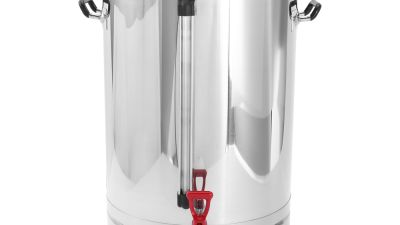
A commercial stainless steel electric water boiler is designed for businesses that need a dependable supply of hot drinks throughout the day. Made from food-grade stainless steel with a polished exterior, it resists rust and corrosion while providing a smooth inner surface that is easy to clean. The adjustable thermostat allows operators to set and maintain a suitable temperature for hot water, tea, soybean milk, and other beverages, supporting continuous service in restaurants, canteens, milk tea shops, and breakfast stores.

Practical details improve daily efficiency and safety. A transparent water-level gauge makes it easy to check the remaining liquid without opening the lid, while the anti-drip dispensing tap provides convenient serving with less waste. The fitted curved lid helps retain heat, and insulated side handles make transportation safer. Built-in dry-boiling protection automatically stops heating when the liquid level becomes too low, reducing operational risks and protecting the equipment.

When choosing a large-capacity hot beverage urn, consider the required volume, available counter space, temperature-control range, and expected serving frequency. Multiple capacity options can accommodate small beverage counters or high-demand catering operations. Buyers should also check the tap design, gauge visibility, insulation performance, ease of cleaning, and construction quality. Carefully finished seams and shock-resistant packaging help reduce damage during delivery, while a durable stainless steel body supports long-term commercial use.

FAQS

What is a catering tea urn?

It is a large vessel for brewing, heating, and serving tea to groups. It usually has a tank, lid, heater, thermostat, infuser, and serving tap.

How does a tea urn keep tea warm?

Electric models use a thermostat to control heating cycles. The heater switches on and off instead of boiling continuously. Insulated models retain heat without constant electrical heating.

How is tea brewed inside the urn?

Water heats in the main tank. Tea leaves sit inside an infuser basket or separate brewing chamber. The tap serves tea without opening the lid.

What features help busy kitchens serve tea faster?

A wide opening makes cleaning easier. A clear gauge shows the remaining capacity. A stable base helps prevent spills during crowded service.

Is a larger tea urn always better?

Not always.A larger tank may hold tea too long. The flavor can become bitter, while energy use increases. Test actual demand before choosing capacity.

What should buyers test before ordering equipment?

Test heat recovery after several pours. Check tap flow, lid sealing, handle temperature, and cleaning access. Hard water testing may reveal scaling problems early.

Which documents should global buyers request?

Request current electrical safety, electromagnetic compatibility, and food-contact test reports. Check the certificate holder, model number, laboratory, and expiry date. A logo alone proves very little.

How should the total purchasing cost be calculated?

Include tooling, packaging, freight, duties, installation, spare parts, and inspection fees. Also ask about energy use at operating temperature. A low quotation may become expensive after repeated thermostat failures.

How can buyers evaluate a supplier carefully?

Request a sample before placing a large order. Review production records, quality checks, batch traceability, and warranty procedures. Keep written records of specifications and approved changes. Technical answers matter more than fast replies.

Conclusion

This guide explains what a Catering Tea Urn is and how it supports efficient beverage service at events, hotels, offices, and hospitality venues. It reviews the main urn types available in 2026, including insulated, electric, manual, and high-volume models, while comparing their capacities, heating methods, temperature controls, and dispensing systems. Readers will learn how to match an urn’s design with serving volume, tea requirements, and expected usage.

The article also examines material quality, food-safe construction, easy-clean surfaces, and hygiene features that help maintain reliable service. It covers power options, portability, transport needs, and compatibility with indoor or outdoor venues. For global buyers, the guide highlights practical evaluation factors such as safety certifications, energy use, total cost, warranty support, replacement parts, shipping considerations, and supplier reliability, helping purchasers select a durable and suitable Catering Tea Urn for their operational needs.

Aria

Aria

Aria is a seasoned marketing professional with over three decades of experience dedicated to the stainless steel cookware industry. Her profound understanding of product quality and manufacturing processes allows her to effectively convey the unique advantages of the company's offerings. Passionate......
Previous What Is the Best Induction Pot for Wholesale Buyers?